Banner Image

Information Wellness Blog

Detailed Reviews and Guides about energy and informational health and wellness

blank
December 17, 2025|Editorial

Lessac Madsen Resonant Voice Therapy Certification

LMRVT guides vocal behavior towards producing resonant voice qualities characterized by vibratory sensations in the anterior alveolar ridge and feeling of ease during production. A configuration tailored specifically to this form of production maximizes health while simultaneously decreasing potential phonotraumatic damage (Verdolini 2000).

Additionally, the clinician designs an individualized voice hygiene program which emphasizes hydration. According to research findings, this can improve long-term learning and reduce phonotrauma.

Certification Requirements

Katherine Verdolini Abbott (Kittie) is a speech-language pathologist, author, and international trainer on Lessac Madsen Resonant Voice Therapy (LMRVT). Kittie has conducted research on the cognitive substrates of motor learning that are relevant to voice therapy since 1997. She is a master in her field and is highly respected by clinicians worldwide.

LMRVT is an evidence-based approach to treating patients with voice disorders, including recurrent vocal fold nodules and polyps. The underlying theory is that vocal fold nodules and polyps form when the voice is used in ways that damage the vibratory surface of the vocal fold. LMRVT is unique in that it promotes resonant voicing, which involves feeling vibrations in the front of the mouth. In addition, resonant voicing is easier to produce than loud phonation. This combination of easy resonant voicing and limiting the amount of vibration on the vocal folds can reduce nodule and polyp formation, as well as heal phonotraumatic nodules and polyps that have formed.

Another unique feature of LMRVT is its emphasis on individual patient needs and integration into daily life. A study led by Verdolini found that incorporating resonant voice practice into a daily lifestyle increased patient compliance and willingness to implement the technique outside of the clinic. The program also emphasizes individualized hygiene programs and stress management techniques.

Lastly, LMRVT is designed to be effective and cost-efficient. Its streamlined techniques minimize treatment time, resulting in more efficient and effective therapy sessions. In addition, its specialized equipment reduces costs associated with traditional voice therapy. In turn, this translates to lower patient co-pays and reduced insurance costs.

blank

Benjamin M. Laitman, MD, PhD is a physician at the Grabscheid Voice and Swallowing Center at Mount Sinai Hospital. He received his medical degree and PhD from the Icahn School of Medicine at Mount Sinai and completed his otolaryngology-head and neck surgery residency and laryngology fellowship at the institution. He currently serves as an Assistant Professor of the Department of Otolaryngology-Head and Neck Surgery at Mount Sinai.

In her clinical practice, Sarah Leyko specializes in evaluation and treatment of voice and swallowing disorders in adults. She is trained in FEES, MBS, videostroboscopy, and LSVT. Her special interests include professional voice, gender affirming voice, and resonant voice therapy for phonotraumatic laryngeal nodules and polyps.

Course Description

This course provides students with a platform for exploring information and skills relevant to: (1) the societal and personal significance of voice disorders; (2) pathologies that impact vocal folds; (3) effects of selected pharmacological agents on voice quality; (4) basic voice assessment and (5) basic science principles that guide contemporary voice therapies. The seminar also presents a framework within which to comprehend various voice therapy models such as Lessac Madsen Resonant Voice Therapy (LMRVT), Casper-Stone Confidential Flow Therapy (CSCFT), evidence-based methodologies as well as integrate these with clinical reasoning and basic voice science principles.

LMRVT stands apart from traditional approaches to voice rehabilitation by emphasizing the use of resonant voice as training, with minimal risk of additional phonotraumatic lesioning. LMRVT’s barely adducted laryngeal posturing proves highly successful at meeting both objectives, and unpublished experimental data collected by Verdolini et al demonstrates its superior effectiveness at healing phonotraumatic lesions than more commonly practiced methods such as voice rest.

LMRVT places great emphasis on hygiene. Instead of prescribing an unworkable checklist of “don’ts and musts”, the clinician assists each patient in devising an individual post-therapy hygiene program tailored specifically to his or her lifestyle and individual needs.

Katherine Verdolini Abbott of the University of Delaware and internationally-acclaimed voice and speech trainer is responsible for its creation in the early 2000s. LMRVT was named after her mentors Arthur Lessac and Mark Madsen to honor them and is grounded on research conducted on resonant voice production and motor learning principles.

blank

PBL 1 requires students to conduct an internet search and gather video, audio or blog materials that describe how a particular voice disorder has impacted an individual’s life. Testimonials from actual patients would be ideal, along with videos or audio recordings showing their speech patterns if available. Their submission must reach Professor by midnight September 4 (the day before class) via drop box submission.

Course Objectives

Lessac Madsen Resonant Voice Therapy (LMRVT) is a multidisciplinary program for treating vocal fold nodules and polyps. It aims to reduce their severity in order to enhance patients’ quality of life while decreasing surgical risks. LMRVT operates under the assumption that many symptoms associated with vocal diseases stem directly from muscle tension in the neck and thoracic cage region; consequently it attempts to address tension issues using both manual and nonverbal techniques in order to relieve it.

LMRVT stands apart in that it emphasizes training resonant voice over simply meeting medical goals like nodule and polyp reduction. Resonant voice is defined by vibratory sensations along the anterior alveolar ridge as well as easeful phonatory ease; this type of voicing corresponds with laryngeal posturing that has been proven by studies to deliver maximum vocal intensity with minimal risk of phonotraumatic injury.

LMRVT takes an integrated approach, looking at both what and how. Bridging exercises introduce patients to resonant voice behavior gradually until they can produce normal conversational speech with resonant voicing patterns. After that, clinicians assist the patients in applying this resonant behavior for louder phonation or other challenges in daily life.

Research demonstrates the significance of LMRVT’s focus on “how” when it comes to long-term learning; in order to optimize long-term progress, clinicians must limit feedback and encourage random practice of resonant voice behavior – particularly loud voice use – without restricting feedback, as this increases long-term retention (Verdolini 2004). There may also be risks in that some inspired patients may use their resonant voices outside the clinic which increases risk for further phonotraumatic injuries (Verdolini 2004).

Dr. Katherine Verdolini Abbott is an esteemed educator in voice therapy, having presented seminars worldwide. She has written two highly popular voice therapy books as well as several articles. Additionally, she created Adventures in Voice – an intensive two-day seminar which offers both webinar and face-to-face formats – providing a framework within which to understand a range of voice therapies from perspectives of biomechanics, biology and learning.

Instructors

Katherine Verdolini Abbott (Kittie) is Professor of Communication Sciences and Disorders and Linguistics and Cognitive Science at the University of Delaware, with expertise in voice-related disorders as a clinician and international teacher of voice training. She belongs to various professional societies including American Speech-Language-Hearing Association, National Association of Teachers of Singing, Voice Trainers Association as well as conducting voice research since 1997 which has been funded by National Institues of Health; she developed Lessac Madsen Resonant Voice Therapy which honors esteemed voice trainers Arthur Lessac and Mark Madsen who conduct training seminars worldwide on this method of practice.

Resonant voice therapy is an evidence-based practice designed to treat muscle tension dysphonia and laryngeal nodules, encouraging forward focussed speaking with easy phonation and encouraging deeper breathing while minimising vocal fold use. Unfortunately there have been limited studies addressing its efficacy for specific populations.

Kathrine Verdonlini Abbott or Joseph Stemple offer courses and downloadable materials that will teach you resonant voice therapy techniques for use with patients.

This course begins with a fundamental knowledge of voice science and biomechanics of voice production, before progressing to step-by-step instructions for using Lessac Madsen Resonant Vocal Techniques with your clients – both adult and pediatric clients alike can benefit.

Start by teaching your patients to feel vibrations in the front of their face, such as their anterior alveolar ridge, nose and teeth. Teach voiced and voiceless sounds at word, phrase and sentence levels before emphasizing that resonant voices feel easy rather than tense or breathy.

December 17, 2025|Editorial

The Benefits of Brain Vibration Therapy

WBV research has predominantly centered around its effects and applications to improve muscle-skeletal performance in athletes and patients with muscular-skeletal conditions; however, recent studies indicate it can also have profound neurological benefits.

BWV stimulates reflex integration to support a healthy nervous system and help reduce stress. Furthermore, lymphatic drainage improves body healing capabilities.

Neurodevelopment

Vibration therapy is an innovative approach to stimulating muscle activity in the body. Utilizing mechanical vibrations to activate muscles and increase communication between brain and muscle, vibration therapy allows more free and efficient body movement. According to various studies conducted on vibration therapy‘s benefits for improving balance, strength and coordination as well as reflex integration — an integral process which teaches new motor skills — making this form of treatment particularly suitable for children suffering developmental disorders like autism or ADHD.

Researchers conducted a meta-analysis on 16 randomized controlled trials, comprising all available data. Participants ranged in age, and cognitive outcomes were measured using standard tools for global cognition (MMSE, ACE-III), executive function (Stroop, TMT and BRIEF), attention (PASAT-3 and DSST) and memory (Digit Span SRT ImPACT). Additionally, effects related to vibration frequency, amplitude posture duration intervention duration were investigated.

Studies involving control groups revealed no evidence of cognitive enhancement from vibration stimulation; however, researchers did observe that higher intensity vibration caused more dramatic effects. This indicates that its influence on cognitive functions may depend on other factors and not solely intensity stimulation alone.

Studies suggest that the beneficial effects of WBV are due to its activation of the cholinergic system. Animal experiments showed an immediate rise in C-fos expression after WBV exposure; its activity being known to play an essential part in long-term memory formation as well as learning and development.

Studies have demonstrated that whole-body vibration therapy improves cognitive performance among healthy adults as well as people living with morbidities like lumbar hyperlordosis, attention deficit hyperactivity disorder and senile dementia. The findings of these studies support whole-body vibration as a safe and effective method for increasing cognitive function – but more research needs to be conducted into whether its results are sustainable and the underlying mechanism behind their improvements are still unknown.

Pain relief

Pain relief is one of the primary motivations behind vibration therapy‘s popularity among many individuals. Studies have demonstrated its efficacy for treating various conditions such as fibromyalgia, back pain and joint discomfort – vibration therapy has proven itself particularly helpful against all three. Vibration stimulates nerve fibers that transmit non-noxious signals directly into the brain to “shut off” nociceptive signals thus decreasing pain perception. Vibration also activates mechanoreceptors located within Pacinian corpuscles and main terminals of muscle spindle which respond to pressure, friction or vibration by sending signals directly into central nervous system and relay information back.

Studies have demonstrated the efficacy of using both frontal th power increases and sensory-relevant vibrotactile feedback to provide pain relief. This approach differs from current neurofeedback systems which typically reinforce or inhibit EEG activity in sensory areas of the brain. However, it should be noted that this clinical pilot study involved only six participants; making more generalized claims difficult.

This trial’s correlation between frontal th power changes and pain reduction was striking, suggesting that BCI-mediated neuromodulation directly affects pain relief physiology. Furthermore, pain reduction was independent of distraction; further suggesting that relief isn’t just the result of attentional shift.

Brain wave vibration meditation has been proven to be just as effective as sitting or lying down for relaxation purposes. In this exercise, gentle rhythmic shaking of the body is applied in order to lower awareness levels in your mind from executive areas down into your subconscious – similar to deep relaxation techniques, Tai Chi/Qi Gong practice/exercises, healing touch techniques and hypnotherapy treatments.

Studies have demonstrated the power of mindfulness meditation (WBV) to both increase mental wellbeing and mitigate the side effects of traumatic brain injury (TBI). Furthermore, WBV increases BDNF production – helping repair nerve cells damaged from TBI as well as decreasing falls risk that could further injure. Additionally, physical recovery may also benefit by decreasing physical risk exposure to more injury.

Muscle strength and power

Mechanical vibrations used to stimulate and activate muscle contraction has been found to provide many health advantages. Vibration therapy may take the form of either whole-body vibration (WBV), in which an individual stands on a machine which delivers overall body vibrations; or via localized vibration where devices placed directly over muscle groups produce targeted stimulations; both types are effective neurological exercises as well as providing pain relief, weight loss and joint mobility benefits.

Research into WBV has traditionally focused on its beneficial effects on muscular strength and performance; however, recent discoveries point towards its effect on cognitive functioning under certain circumstances.

As an example of this effect, presynaptic autogenic inhibition can help mitigate the negative side-effects of eccentric contraction-biased exercise on muscles, such as loss of maximal strength. This process reduces muscle spindle and golgi tendon organ activation rates which results in lower group Ia mean discharge rates as well as shorter reflex magnitude and duration times.

WBV can also improve proprioception, or the body’s sense of its position and movement, which helps with balance, coordination and falls prevention in older adults. Furthermore, WBV promotes bone health by stimulating osseous reflex and increasing bone density.

At Texoma Wellness Center in Whitesboro, TX, our vibration therapy can reduce pain and stiffness while increasing flexibility and mobility, improving balance and stability, as well as positively influencing overall mental wellbeing. Are you curious to learn more about our services or looking to incorporate vibration into your wellness regime? Reach out now and contact us. We offer innovative wellness technology, such as Brain Wave Vibration mind-body meditation. Moving meditation has been shown to be more effective than traditional seated forms, increasing mood-boosting catecholamines like dopamine. We offer regular classes and private sessions so come experience how just a few minutes of bouncing on a platform can have such an enormous effect on your life!

Mental health

Mental wellbeing is an integral component of overall well-being, and protecting and nurturing it should be just as essential. There are a variety of methods available for doing just this, such as brain wave vibration meditation which is an effective way to relax the mind, de-stress and become calmer.

Brain wave vibration therapy utilizes mechanical vibrations that tap into an organism’s natural ability to sense vibrations – an ability that has existed across animal kingdom. Our sense of vibrations plays an integral part of how we interpret the world around us and is vital in providing us with information.

Numerous studies assessing the effects of whole-body vibration (WBV) on neurocognitive performance have been conducted and published. Most of these experiments involved healthy individuals; however, Ki-Hong Kim focused on an elderly population suffering from dementia while Hugo Rosado administered low frequency vibration to an older human population; both these studies recorded positive results on color-word interference tests and stroop difference tests indicating improvements in selective attention and inhibition.

However, these studies did not assess post-intervention cognitive enhancement on subjects. More long term data would be welcome on WBV’s cognitive effects.

December 17, 2025|Editorial

The Rife Handbook of Frequency Therapy

What is Rife Therapy?

Rife Therapy is a noninvasive healing modality that uses sound frequencies to heal the body. Devised by American inventor Royal Raymond Rife, Rife therapy uses soundwave frequencies to address harmful pathogens in your system without harming healthy cells or your immune system. At enrG Wellness’s Rife Therapy Room clients can experience this healing modality comfortably.

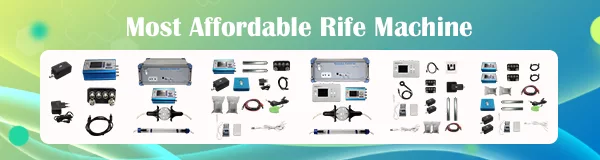
Spooky2 Rife machine uses electromagnetic frequencies similar to radio waves but undetectable by human ears to generate low-energy electromagnetic fields that produce electromagnetic pulses with zero physical contact from patient, creating impulses for eliminating disease without harming healthy cells or tissues. Sessions with this machine allow patients to either sit or lie down comfortably during treatment sessions.

Spooky2 Rife machine provides different methods for transmitting frequencies, including plasma therapy and contact therapy. Plasma therapy involves holding onto a hand cylinder while contact therapies involve attaching pads directly onto your hands or feet; these allow the sound waves to penetrate skin more deeply, offering support in areas that need it the most.

What are the Benefits of Rife Therapy?

However, these low-energy sound frequencies don’t damage healthy tissue like electromagnetic radiation can. Instead, they simply locate diseases and send impulses on their respective frequencies to destroy them. Rife theory proposes that each disease has its own resonant frequency that makes this method easy to use to find and destroy it.

Numerous individuals report reduced symptoms of chronic diseases and improved musculoskeletal health after attending regular Rife therapy sessions at enrG Wellness Rife Therapy Room sessions. Our therapists will help determine whether this noninvasive technology is right for your body.

Why Rife Frequency Technology Belongs in a Modern Wellness Routine

Every physical system contains rhythms: brainwaves, heart rate variability, breathing cadence and cellular signaling. Stressful training regimens, travel and environmental demands of modern life can disturb these rhythms; making it hard for the body to find its beat. Rife technology works to bring these rhythms back into sync so you can feel rested and rejuvenated!

Rife frequency technology can also support your body’s natural detox processes. Your liver, kidneys, skin, and lungs already detox through their own channels – using frequencies can give them an added boost!

At The Apathecary Natural Health Center, our practice members utilize Rife frequencies as part of their wellness plans in order to improve general wellbeing, energy levels and sleep quality. Reach out now if interested in including this modality into your wellness strategy! Contact The Apathecary Natural Health Center and inquire further on incorporating it.

Brian is a combat veteran, entrepreneur, and author who writes practical, compliance-aware guides on frequency tools for general wellness — relaxation, sleep quality improvement, stress management support and recovery assistance. He advocates responsible wellness by avoiding hype while citing credible sources while also giving readers tools to track their results and measure progress over time.

How to Use Rife Therapy

Rife Therapy is safe, noninvasive, and time efficient. Its frequency input nudges body rhythms toward coherence to help calmly process stress and recover more efficiently. While it is not a panacea; instead it fits seamlessly alongside other wellness essentials such as sleep quality, healthy diet, movement, breathwork, sauna sessions, and sunshine therapy.

Rife machines produce low-energy electromagnetic frequencies similar to radio waves we cannot hear, that operate on vibrating or resonant frequencies throughout nature, including in your own body. Disease and microorganisms often have their own resonant frequency that can be identified using Spooky2 Rife machines – this allows an impulse on this frequency to destroy harmful cells without breaking skin or harming organs – speeding healing significantly without breaking skin or harming body parts.

Many individuals report increased energy, decreased stress levels and better rest after using Rife consistently. Short sessions conducted in the morning for focus and coherence or before bed to calm your mind before sleep can create a more balanced baseline for daily life. Rife can also be combined with recovery protocols after hard training days to help restore nervous systems for rest-and-digest recovery and enhance emotional bandwidth and decision making processes.

Although RIFE isn’t a cure, it may help address various conditions from inflammation to muscle soreness. At The Apathecary Natural Health Center in Clarksville, Tennessee they can discuss its potential uses as an option – just give them a call or book online now to set up your appointment!

How to Avoid Rife Therapy

Rife machines generate electromagnetic fields that may interfere with the body’s energy systems, with Rife machines creating electromagnetic fields which interfere with infectious bacteria’s vibrational rates and electromagnetic frequencies, matching those to those produced by Rife machines, in an attempt to disrupt them just like crystal glass breaks when exposed to certain frequencies of sound waves. It is recommended to seek advice from healthcare professionals prior to undertaking frequency therapy treatments as this treatment could overexpose you and potentially have adverse reactions on health systems.

December 17, 2025|Editorial

How to Reverse Aging Skin Naturally

Wrinkles and sagging skin may be inevitable effects of age, but they don’t need to be permanent. Lifestyle modifications such as eating a balanced diet, drinking plenty of water, not smoking and wearing sunscreen can all help reverse skin aging naturally.

Sun exposure can lead to irreparable skin damage. Wearing broad spectrum sunscreen daily can protect from UV rays and slow the aging process.

2. Drink plenty of water

Hydration is essential to healthy skin, and drinking plenty of water can help slow the aging process. Studies have revealed that people who drink lots of water tend to have fewer wrinkles. Be sure to drink both mineral water and plain tap water, and avoid dehydrating substances such as caffeinated beverages and alcohol that dehydrate. Applying moisturizer regularly can also keep skin hydrated.

Proper hydration can make your skin appear plumper and reduce fine lines and wrinkles.

6. Exfoliate regularly

Exfoliation is the practice of gently exfoliating away dead skin cells that accumulate over time and dull your complexion, improving circulation, reducing pore size, and avoiding clogged skin. You can do this either with physical exfoliants such as scrubs and loofahs or chemical exfoliants like alpha/beta hydroxy acids/retinoids.

Exfoliation should be part of your regular skincare routine, but you must also be wary not to over-exfoliate. Overexfoliation will leave skin reddening and flaking; for maximum effectiveness it’s best to stick with a regular schedule that lets your body dictate when its time for exfoliation.

Exfoliating the body is different than exfoliating the face and requires more of a gentle approach. A good guideline for exfoliation is once or twice every week with moisturizer used afterward to maintain skin health and avoid exfoliating any cuts or sores that might form on it.

7. Moisturize daily

Moisturizing daily is key for younger, healthier looking skin. Daily exposure to sun, wind and harsh cleansers can strip away natural oils that lubricate our complexions; moisturizing restores these vital hydrators while protecting from dryness, irritation and flaking. Choose a fragrance-free moisturizer with glycerin or hyaluronic acid content for best results; these ingredients also support your natural barrier that keeps moisture inside while keeping harmful irritants out. We suggest moisturizing twice daily for comprehensive protection!

8. Wear sunscreen

Sunlight can cause skin damage that leads to wrinkles, dark spots and sagging skin, so wearing sunscreen every day is crucial to slowing or halting its effects on aging processes. A broad-spectrum SPF 30 sunscreen should be used every day. In addition, wearing protective headgear and sunglasses to shield yourself from harmful rays should also help. Finally, avoid tanning beds as their UV rays accelerate skin aging further.

Applying moisturizer regularly is key to maintaining hydrated and soft skin. Aim for non-greasy, fragrance-free moisturizers with ingredients like glycerin and hyaluronic acid for best results.

9. Don’t stress

Stress has been shown to accelerate the aging process. This is caused by various factors, including increased release of pro-inflammatory chemicals known as cytokines that release into the bloodstream and cause inflammation on skin surfaces, leading to premature wrinkles and appearing older than it actually is. Ample rest and healthy eating practices are key elements in combatting stress; in addition, digestive enzymes may help promote healthier digestion by clearing away trapped toxins in intestines preventing them from entering bloodstream and leading to inflammation; finally it’s essential that smoking and alcohol consumption should also be avoided as this further accelerates ageing processes.

December 17, 2025|Editorial

Beyond Quantum Healing Training

Are you ready to reach into the depths of your subconscious mind in order to heal on all levels? Subconscious exploration sessions provide an effective means of unlocking past life memories and disabusing ingrained patterns that cause disease.

Dolores Cannon developed the Quantum Healing Hypnosis Technique (QHHT). While most sessions consist of past life stories, sessions can also address future lives, parallel lives or Starseed experiences from other planets, realms or galaxies.

Level 1

Beyond Quantum Healing (BQH) is an innovative framework to facilitate hypnosis sessions that allows maximum flexibility and incorporates additional modalities, such as energy work, Reiki, sound healing, oracle cards or brainspotting. BQH fosters heart-to-heart relationships between practitioner and client while offering them freedom to choose which modalities best suit their clients’ needs.

BQH is similar to Dolores Cannon’s Regressive Hypnosis Technique (QHHT), with an added ability for accessing Higher Self or Subconscious levels. Clients seek Quantum Healing sessions for various reasons including health issues, emotional challenges, life path questions or curiosity about past lives or future timelines, as well as to release any ingrained patterns they may be holding onto.

Cellular Resonance Quantum Healing is an award-winning technique to use Cellular Resonance Quantum Healing to clear stress and trauma stored within our cellular memory patterns, which often cause illness, emotional imbalance, or stuck behaviors. This hands-on energy-based healing approach is gentle yet profoundly effective – perfect for complementing other healing or wellness modalities with no need for prior hypnotherapy or energy healing experience!

Level 2

Heart-based, creative and energetic methods used to assist clients on the journey towards self-discovery, healing on all levels, and connecting with guides. Practitioners utilize the quantum field for answers while using other modalities like Reiki energy healing, guided visualization, hypnosis, oracle cards, crystal therapy or brainspotting when applicable.

Quantum healing is an experiential practice in which you engage your Higher Self – that part of you that holds more knowledge and information than the daily or temporary self. Together you’ll explore past lives, release blockages, and experience healing on physical, emotional, and spiritual levels.

Candace Craw-Goldman, the founder of BQH, modified Dolores Cannon’s QHHT hypnosis technique so she could facilitate sessions online and over the phone with permission from higher realms. This framework allows practitioners to use their own scripts or incorporate other modalities such as medical mediumship, sound healing or Reiki into sessions as they choose and allows creativity in session delivery; further allowing for the higher realms to determine how sessions unfold.

Level 3

BQH sessions take you into a state of deep relaxation and inner exploration through hypnosis to reach what’s called your Subconscious Mind, Higher Self or Super Soul – these areas where deep healing occurs allowing for the release of patterns, programs, beliefs or blocks that no longer serve you on both a cellular and energetic level.

BQH is based on Dolores Cannon’s QHHT(r) hypnosis technique but offers greater flexibility for practitioners. So long as their session intention and connection with the client remains the same, they are free to utilize any additional healing modalities they feel may benefit them and use any healing modalities they believe would best help their client. Achieve success in BQH sessions by developing strong, heartfelt relationships is key!

The session itself is similar to past life regression, yet more expansive. You will be asked questions designed to connect with your higher self and obtain information relevant to both your current life situation as well as answers about who you truly are and what may lie beyond this world. In addition, multiple past lives as well as future lives will likely come into view during your session.

Once you complete your training to become a BQH Practitioner, you can offer these incredibly powerful sessions. Helping others heal and find peace on their journey brings immense satisfaction to this work – many practitioners enjoy full-time practices as energy healers while others integrate Quantum-Touch into existing roles as coaches, therapists or counselors.

To become a BQH Practitioner, one must be certified Quantum-Touch Therapist with 90 hours of documented healing sessions and 5 creative insights under your belt. Once these requirements have been fulfilled, you will be listed on the Quantum-Touch online practitioner directory which is seen by thousands every month, giving your practice instant credibility while drawing in new clients.

Level 4

For true healing to occur, one must align their thoughts and energy with what they want to manifest. This approach forms the basis of quantum healing which draws inspiration from both science and spirituality. According to quantum physics, particles don’t exist as solid objects but instead as waves of energy; combined with visualization techniques and the law of attraction this idea enables you to tap into an infinite universe and realize your goals more efficiently.

Start by identifying what needs healing – for instance emotional balance or physical recovery. This intention serves as a compass, directing your energy and imagination in reaching the desired result. Next, visualize yourself in the ideal version of yourself within this ideal goal space – known as quantum jumping or manifesting – this vivid visualization technique accelerates this process by using mental power to make vision into reality more rapidly.

Once your intention has been established, close your eyes and visualize a hallway filled with “quantum doors.” Each door represents different versions of yourself. Select one labeled with your name, then imagine walking through to step into a different reality in which this healed and flourishing version of yourself exists – daydreaming combined with autosuggestion activates your brain’s natural ability for change.

Quantum healing can help with any issue affecting your quality of life, from an emotional block, physical pain or mental fogginess. This unique therapy seeks to unlock negative patterns which keep reoccurring in negative cycles.

Quantum-Touch is an integrative healing approach, and you can apply your newfound knowledge to yourself, family members, friends and even pets. However, to become a certified practitioner you must complete 90 hours of sessions individually documented to be certified – this allows for unique insights without compromising credibility and integrity and creating balance that benefits not only yourself but all those around you as well.

SPOOKY2 PORTABLE ESSENTIAL RIFE GENERATOR KIT