
Banner Image

Information Wellness Blog

Detailed Reviews and Guides about energy and informational health and wellness

blank
March 22, 2025|Editorial

The Truth About Biohacking
doctor truth biohacking

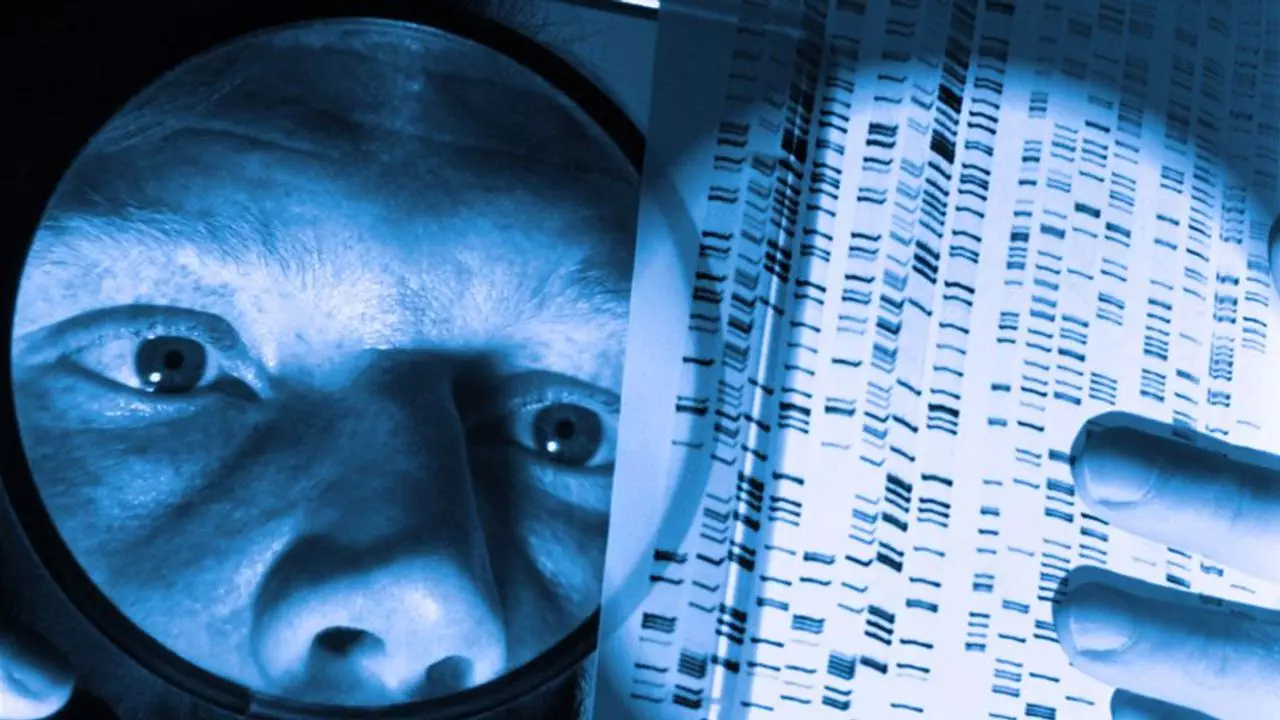
Biohacking is an emerging trend combining science, technology and self-experimentation that has gained widespread acceptance within affluent circles who seek to improve both their health and appearance.

These trends can be dangerous if used improperly, such as taking unproven medications, extreme diets or supplement intake without consulting with medical professionals first.

What is Biohacking?

As everyone knows, the body is a complex machine that needs regular care and maintenance. Consuming junk food and pushing yourself hard are proven ways to accelerate its decline; conversely, taking steps such as eating healthily, exercising regularly and prioritizing sleep will extend its lifespan. Some individuals take this concept one step further with biohacking, an innovative movement that utilizes lifestyle habits as well as technology in an attempt to fine-tune their bodies for peak performance.

Biohackers employ both fringe scientific findings and cutting-edge tools to conduct experiments on their bodies, frequently targeting the gut and brain. They may use an elimination diet to identify foods which cause symptoms like bloating, fatigue or digestive distress; then remove these foods for 10 days at a time until reintroducing one at a time to see any impact they have.

Other biohackers specialize in supplementation, taking various pills to increase performance or help heal certain conditions, from weight loss to cognitive enhancement. Others take more drastic approaches by altering their DNA in an attempt to slow or even reverse aging processes or even become immortal.

blank

Biohacking can generally be safe, though in certain instances it could pose health risks. It is wise to consult your physician before taking untested medication or making extreme body modifications without prior consultation as this could result in vitamin B12 deficiency, lithium toxicity or serotonin syndrome resulting in serious health consequences.

Though many biohackers engage in experimental practices, most do their research and consult doctors prior to trying anything too unusual. Furthermore, biohackers recognize their body is unique, so what may work for one friend or influencer may not work for them; for instance ice baths could be dangerous for people with poor blood circulation and any hack that doesn’t have scientific research backing can be harmful or at the very least ineffective.

How Biohacking Works

As its name implies, biohacking involves hacking your body to make it healthier and perform better. While some might view biohacking as extreme self-experimentation, biohacking also involves taking small steps toward improving your health gradually – for instance eating healthy meals, staying hydrated properly, prioritizing sleep – all which contribute to real and tangible improvements in how we feel overall.

Some individuals utilize technological biohacking tools to monitor their body’s nutrient counts, blood sugar levels and other indicators in order to make data-based adjustments. Wearable tech such as smart watches and fitness trackers are effective tools in optimizing workouts and sleep schedules; similarly wristbands that measure heart rate and blood pressure may assist you with optimizing diet plans.

One aspect of biohacking focuses on improving brain health and cognitive function to boost productivity and longevity, often through meditation, mindful eating and the use of nootropics (substances that promote brain health and increase alertness). Some biohackers also utilize acupressure techniques to alleviate stress and anxiety as well as supplements such as NAD+, Ashwagandha or other adaptogens to achieve this aim.

Though some biohacking strategies have been proven, others remain untested. For instance, people may try biohacking their bodies using unproven research chemicals without testing for safety and effectiveness first – potentially risky experiments which may include seizure risk.

Other biohackers have attempted to manipulate their DNA in order to become HIV-resistant, un-lactose intolerant or more muscular; these attempts so far have failed. Genetic modification to hack one’s body is a highly complicated process and while these kinds of biohacks might work for some individuals they can also be dangerous and even fatal.

Biohacking should always involve selecting effective interventions endorsed by scientists. One such intervention is Ezra Full Body MRI scans, which utilize tried and true MRI technology to detect early signs of tumors, tissue abnormalities and vascular anomalies across 13 organs or body areas – potentially saving lives through prevention.

Biohacking Products

Before altering your diet or starting any biohacking experiments, it’s essential that you consult with a healthcare provider first. Furthermore, regular blood work examinations should also be scheduled with your provider to monitor any possible changes resulting from taking unusual drugs or supplements.

However, many biohackers take biohacking to extremes; such as Bryan Johnson of “BioHack Immortality”, who lives his own personal lab — but others use simple tools and techniques to help improve their health. For instance, taking vitamin D supplements can be an excellent way to maintain bone density as you age, lowering risk for osteoporosis as you do so or including lion’s mane mushrooms as part of a mental wellness protocol can decrease anxiety levels while increasing memory recall.

Other biohacks involve ancient techniques, like Vipassana meditation and intermittent fasting, that have been around for centuries, to feel more in control of your body and mood, while decreasing risk factors for depression, anxiety and inflammation. Other common strategies include taking collagen supplements for joint health or high-quality sleep supplements with magnesium, melatonin or vitamin D content for better restful nights of sleep.

Technological biohacking tools, like wearable trackers and gadgets that monitor sleep and exercise habits can provide invaluable data about how various factors affect both your physical and mental wellbeing. Furthermore, genetic biohacking tools provide you with valuable insight into any inherited risks you might face and provide the means for taking proactive measures against them before they become problems.

Grindr is one of the most widely used apps among biohackers, providing users with a platform for sharing and finding other people interested in wellness and healing journeys. Other popular sites and podcasts among biohackers include The Awesome Health Podcast featuring conversations with patients, wellness experts and artists; as well as Bulletproof Radio featuring conversations with Dave Asprey of Bulletproof brand fame who aims to achieve immortality by eating a high protein/low-carb diet while taking lots of supplements and performing regular plasma exchanges (although you should seek expert guidance before trying this at home!).

Biohacking Techniques

Biohackers utilize numerous strategies and technologies to optimize health, such as personalized nutrition, physical activity, quality sleep and stress management. Biohacking also involves monitoring body parameters like blood pressure, glucose and heart rate in order to make timely interventions that promote healing. Biohacking may also help people look younger by using anti-age strategies such as setting bedtime limits, optimizing vitamin D consumption or improving skin care services.

Biohacking began with Silicon Valley types and DIY biologists looking for more direct control of their biology, energy levels, and mental performance – something traditional scientific research was overseen by institutions. While some extreme biohacking techniques such as gene editing experiments or taking performance-enhancing drugs may seem appealing, many researchers deem these practices unethical or can pose potential health risks to humans.

As more people recognize the potential benefits of lifestyle changes, biohacking has grown increasingly popular. But it is important to keep in mind that not all biohacking techniques are created equal: some may pose potential hazards and lead to side effects; while other may fail to provide desired results. Furthermore, certain “edgier” biohacking tools may be costly or difficult to acquire.

Though these hacks might sound surprising, many are actually quite accessible and affordable. For instance, some may use cold showers to increase energy levels or add turmeric to their diet in an attempt to improve digestion; other biohacks involve tracking progress with regular blood work tests.

Biohacking is an expanding field with enormous promise, but it’s important to remember that its techniques are unregulated and potentially hazardous. Until governments or private organizations create regulations around biohacking techniques, it is best to be cautious and only employ those that have been carefully tested by professionals before beginning biohacking procedures or supplements yourself. If in doubt consult a physician first.

March 22, 2025|Editorial

Balanced Health Bioresonance Testing

balanced health bioresonance testing

Balanced Health Bioresonance Testing has become an increasingly popular holistic wellness tool. Social media, wellness blogs and word-of-mouth recommendations have spurred its surge in popularity.

Energy testing utilizes noninvasive technology to detect imbalances in cellular level energy wavelengths and vibrations, and help identify potential toxins (heavy metals, mold spores, viral/bacterial/chemical contaminants), food intolerances or emotional blockages that exist at cellular level.

Personalized Care

Individuals seeking holistic approaches to their health and wellness often require personalized care. Bioresonance scanning is a tool we can use to better understand what your body requires in order to restore its natural equilibrium, using non-invasive bioresonance scanning that analyzes energy wavelengths and frequency patterns of cells to detect imbalances that contribute to health conditions.

Recent years have witnessed an explosive increase in bioresonance‘s popularity, as it provides an accurate portrait of your overall health and wellness. Particularly popular among individuals suffering from mysterious illnesses (an illness for which doctors cannot diagnose or provide a cure), bioresonance scans often complement traditional laboratory tests in providing answers about why your symptoms arise and supporting efforts toward long-term, permanent wellness.

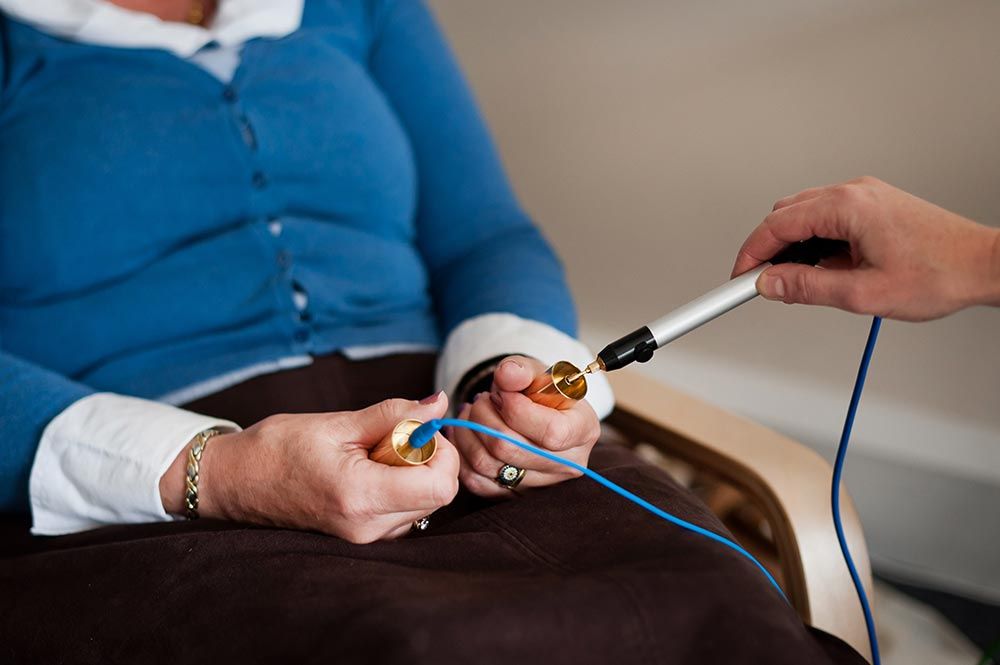
Bioresonance employs a machine which scans electromagnetic signals emanating from your cells and compares them with established healthy frequencies. When any imbalances are detected, electromagnetic waves are sent out that counteract them – helping promote healing. Although mainstream healthcare providers have not fully adopted this technology yet, its popularity among alternative and integrative medicine practitioners has steadily grown over the years.

Bioresonance scans are safe, non-invasive, and painless procedures. Unlike traditional lab testing that often requires bloodwork or needles, bioresonance requires only small samples of hair and saliva from cotton swabs on cotton buds to create results which are generally available within several days and very easy to interpret.

Many clients begin with a Full Scan to gain an overview of their bioenergetic health, before scheduling periodic scans such as Dietary Scan, Remedy Scan or Awareness Scan to monitor progress and ensure a balanced health journey.

As demand for bioresonance technology grows, scientists and physicians are exploring how best to incorporate it into more traditional practices as well as conducting clinical studies that can ensure its acceptance by medical communities worldwide. Meanwhile, bioresonance provides an effective complement to other forms of healthcare and has helped many find lasting relief from chronic ailments.

Supportive Guidance

Albert Einstein once stated that energy testing will become the future medicine. Energy testing provides insight into how the body operates at a cellular level and can identify imbalances which contribute to medical conditions and promote a healthier lifestyle. Furthermore, energy testing allows health practitioners to detect toxic or allergenic substances which alter energy wavelengths within the body and target those substances accordingly.

Energy testing can be an invaluable addition to existing wellness practices and holistic remedies, serving to guide individuals towards leading healthier lifestyles by including foods and herbs known to balance energy levels in their diet. As an alternative, non-invasive approach, energy healing has grown increasingly popular as a tool that supports natural processes within the body.

Bioresonance scanning, first developed in Germany by Franz Morell and Erich Rasche in the 1970s, is a rapid and accurate way to identify food intolerances. Utilizing electromagnetic waves to scan body frequency patterns for signs of imbalance such as inflammation, this painless and noninvasive process involves lying comfortably while electrodes are placed onto skin with minimal side effects.

To achieve optimal results, it is advised that before an energy test you consume plenty of water and avoid foods or medications which might alter energy patterns. Furthermore, check with insurance providers if your plan includes energy testing services.

Once a sample is taken, it is sent for analysis and should contain hair from the nape of the neck rather than from its crown, or else your body will recognize that as an area of concern. Testing will check for heavy metals, bacteria, parasites and other substances as well as food intolerances.

Based on your results, your practitioner may prescribe supplements to address any deficiencies identified in the report – often organic plant-based ones – or they may suggest alternative therapies like herbal remedies or acupuncture to address the causes of your symptoms.

Personalized Remedy Plan

Bioresonance scans offer an alternative approach to traditional laboratory analysis that analyzes specimens like hair, saliva and urine through chemical means; instead they read energetic vibrations released from our cells’ energetic fields to reveal imbalances or sources of stress that would otherwise go undetected, helping practitioners develop customized wellness plans suited specifically to each person’s unique needs.

If your test results reveal food sensitivities or digestive imbalances, we can suggest diet changes and herbal supplements to address them. Furthermore, we can imprint your energetic fingerprint into a structured water or homeopathic remedy in order to rebalance any out of balance frequencies – this personalized remedy may then be taken orally in order to support healing processes within your body.

An individual wellness plan is also an excellent way to reach and sustain your health and nutrition goals over time. By scheduling regular Dietary Scan and Awareness Scan scans, regular monitoring can identify any ongoing imbalances or frequencies resonating in your system and ensure that new habits support holistic balance.

Additionally, we can offer an array of supplements to assist in the promotion of optimal wellness and prevent future imbalances, from essential oils and herbs to dietary supplements and raw nutrient-rich foods.

To maximize your testing experience, it’s crucial that non-essential medications and supplements be avoided for three days prior to collecting a sample. This helps eliminate potential masking effects of certain prescription or over-the-counter drugs on bioenergetic tests results.

Interest in this alternative testing method has increased among people looking for more perspective and insight on their wellness journey, and those with “mystery illnesses” that traditional tests cannot identify or treat effectively. Furthermore, it can serve as a valuable aid for holistic treatments of chronic conditions, helping identify root causes while providing guidance to more targeted therapies.

Are you ready to embark on the path toward greater health and balance? Get more information on bioresonance testing or arrange to visit one of our locations today.

Personalized Lifestyle Plan

Bioresonance testing is a noninvasive, holistic tool used to identify imbalances within the body that contribute to negative symptoms. It uses samples of hair, urine, saliva or nails as indicators of health status; unlike traditional laboratory work which looks for pathogens under microscope or chemical reactions of samples to assess health issues directly, bioresonance scans measure electromagnetic fields to find potential sources for health concerns.

This technology offers an effective complement to traditional diagnostic tests, by exploring areas of the body not typically covered. Furthermore, this approach helps us create more tailored care plans for each of our patients.

Balanced health bioresonance testing can identify many potential health issues beyond food sensitivities, such as heavy metals, viruses, bacteria and chemical toxins, parasites, hormone imbalances emotional stress or nutritional deficiencies. With this information we are then able to make recommendations which can assist the body’s healing.

Bioresonance therapy is an FDA-approved and noninvasive therapy used to balance one’s energy field. It operates on the principle that every cell emits vibrational frequency patterns that may become disrupted through illness, stress or negative emotions; testing measures these frequencies then sends back correct frequencies back to cells to restore balance to natural resonance of body and mind.

Bioresonance therapy helps eliminate the root cause of your negative symptoms and restore you to an ideal state of health, so that you can enjoy life again fully.

Bioresonance therapy is an innovative, drug-free solution to numerous health conditions. It’s commonly combined with other naturopathic treatments like acupuncture to achieve better patient results.

March 22, 2025|Editorial

Holistic Health Nurse Practitioner Degree Programs

holistic health nurse practitioner degree programs

Are you fed up of watching patients take medications for their pains and ailments? A holistic nurse practitioner could be an ideal career option. These nurses focus on both physical and emotional healing for their patients.

To embark on this path, it is necessary to obtain a nursing degree. Start off with an RN to BSN program before embarking on an advanced degree with an emphasis in holistic health.

Master’s Degree

The Master’s Degree program offers a clinically focused curriculum with holistic healthcare approaches and integrative healthcare approaches, such as naturopathic medicine, alternative therapies, ancient healing traditions, self-healing and holistic philosophy as part of its coursework. Graduates will be able to apply this knowledge in clinical settings; additionally this course of study helps prepare nurses for taking the American Holistic Nurse Certification Corporation examination.

Holistic nurses can be found working in various settings and with various individuals. Their focus often involves integrating traditional medical practices with holistic ones such as massage therapy, meditation or acupuncture – often offering these as complementary options alongside conventional care procedures. Some holistic nurses specialize in certain forms of care such as women’s health or cancer patients.

Studies show that patients tend to be happier with the care they receive when nurses employ a holistic approach. This may be attributed to holistic nurses actively listening and offering emotional support; in addition, nurses who practice holistic nursing believe it essential for the wellbeing of all aspects of their patients’ health such as physical, emotional and spiritual needs to be addressed simultaneously.

Holistic nursing has seen rapid expansion over the last several years due to an aging population and rising demand for integrative, natural healthcare. Holistic nurses are uniquely qualified to deliver this form of care by targeting disease at its source rather than treating symptoms only.

No registered nurse needs additional education or experience to practice holistic nursing; however, in order to become certified as one, additional education and nursing experience are necessary. Once graduates of either an associate or bachelor’s degree program in nursing have passed the National Council Licensure Examination and obtained their license; additionally they must complete specific nursing experience before sitting for the American Holistic Nurses Credentialing Corporation exam which grants the title “American Holistic Nurse, Board Certified.” To maintain certification requirements a specified amount of continuing education hours (CNEs) are completed annually to ensure current practices can keep pace with current advances.

Post-Master’s Certificate

Drexel University provides a post-master’s certificate in complementary and integrative health for registered nurses with master’s degrees who want to become holistic nurses, giving them access to skills needed for treating patients holistically, including physical, emotional, spiritual healing. Students learn holistic healing techniques as well as ancient indigenous wellness practices that they can integrate into their professional practices.

Graduates of this program will be qualified to serve as holistic nurses in various healthcare environments, such as hospitals, clinics, private practices and community health organizations. Furthermore, graduates can use their newfound knowledge to design wellness programs or collaborate with individuals on creating personalized health plans tailored specifically to each patient’s lifestyle goals.

Holistic nurses strive to promote holistic healthcare practices with their educational approach and adhere to a foundation of holism as part of their philosophies. Holistic practitioners believe the physical, emotional, and spiritual components are interdependent – when one aspect fails, it affects others as a result. Holistic nurses strive to improve patients’ well-being by attending to all aspects of health in an individual and encouraging clients to make healthier lifestyle choices every day.

As healthcare evolves toward an integrative model, more nurses are opting to specialize in holistic care. Even traditional healthcare providers have begun adopting holistic principles; and this trend should only increase as technology enables practitioners to provide integrated care remotely and regulatory frameworks adapt accordingly for greater insurance coverage of holistic services.

There are numerous nursing schools that offer graduate programs in holistic health, such as New York University College of Nursing and Tennessee State University. If you’re interested in becoming a holistic nurse practitioner degree candidate, request information from these and other programs regarding their curriculums, clinical training requirements and application processes. In addition, The American Holistic Nurses Association can be an excellent way of learning about this field while building connections among other professionals within it.

Continuing Education Requirements

Holistic nurse practitioners (HNPs) are an advanced practice registered nurse (APRN) that combine traditional nursing duties with holistic therapies that treat mind and body. Individuals seeking integrative healers often turn to holistic nurse practitioners, such as aromatherapy, massage therapy, acupuncture, breath work meditation. HNPs may also utilize techniques like hypnosis balneotherapy Eastern healing practices reiki hydrotherapy in order to help their patients relax emotionally from illnesses or injuries they’ve sustained.

To become a holistic nurse, one must first obtain an academic background in nursing – be it an associate degree in nursing (ADN) or bachelor’s of science in nursing (BSN). Many RNs with ADN degrees take advantage of accelerated BSN programs which allow them to earn their RN license in 11-18 months; those with bachelors degrees in fields other than nursing may find entry-level RN positions at hospitals or private clinics before eventually going on to earn an advanced masters in holistic or integrative health nursing.

Once a graduate student has finished their master’s degree program, they can apply for certification as a holistic nurse through the American Holistic Nurses Credentialing Corporation. To do this, 14 didactic hours must be dedicated specifically to holistic topics followed by 500 clinical hours completed over time.

Holistic Nurse Practitioners can work in any healthcare or wellness setting. Their duties overlap with that of other Advanced Practice Registered Nurses (APRNs), including taking patient histories, ordering or performing medical tests, diagnosing conditions, creating treatment plans and educating patients. Furthermore, holistic NPs use alternative techniques in addition to conventional medicine in order to create comprehensive recovery plans that address physical, mental, emotional and spiritual wellbeing needs of each individual patient.

As is true of all nurses, holistic nurses must feel at ease discussing their beliefs and values with patients and colleagues alike. Furthermore, holistic practitioners should understand their limitations – some treatments don’t have scientific research behind them – as well as when their approach has proven ineffective, encouraging patients to seek traditional medical solutions instead.

Work Schedule

As in any nurse practitioner career, holistic health nurse practitioners will find themselves working in various healthcare environments such as emergency rooms, hospitals, clinics and private practices. Furthermore, they may travel frequently for clinical hours fulfillment as well as continuing education requirements.

Holistic nurses are encouraged to utilize mindfulness techniques as part of their practice, to stay present when working with patients and set intentions before meeting with patients – this may help foster a strong bond between patient and nurse.

Holistic nurses go beyond traditional nursing skills by being knowledgeable of other healing modalities like acupuncture, aromatherapy and herbal medicine. Additionally, holistic nurses offer advice about diet and exercise – key components to overall wellness according to holistic nurses. Furthermore, some opt to specialize in specific areas like hypnosis, Chinese medicine or Reiki for maximum effectiveness in care delivery.

Individuals seeking to enter holistic nursing should look for programs accredited by the Accreditation Commission for Nursing Education. In addition, it’s essential that they understand and abide by state regulations concerning their scope of practice – some states require licensed registered nurses consult with physicians in order to prescribe medications.

Students should investigate all possible healthcare settings where holistic nurses work, from medical offices and yoga studios, hospitals and alternative therapy clinics, as well as nontraditional sources such as online learning or webinars.

Salaries for holistic nurses will vary depending on factors like geography, years of experience and healthcare setting in which they work. Those working in more in-demand settings typically earn higher salaries. Registered nurses in the US generally earn an annual average salary of $75,330, while holistic nurse practitioner salaries often fall somewhere in between that figure and traditional NP salaries. The American Holistic Nurses Credentialing Corporation offers a certification exam that confers the title “American Holistic Nurse, Board Certified (AHN-BC). Please be aware that this designation should not be confused with Advanced Practice Registered Nurse (APRN), which only applies to nurse specialists or certified nurse midwives who have completed an APRN program.

March 22, 2025|Editorial

Junk DNA Wave Genetics

junk dna wave genetics

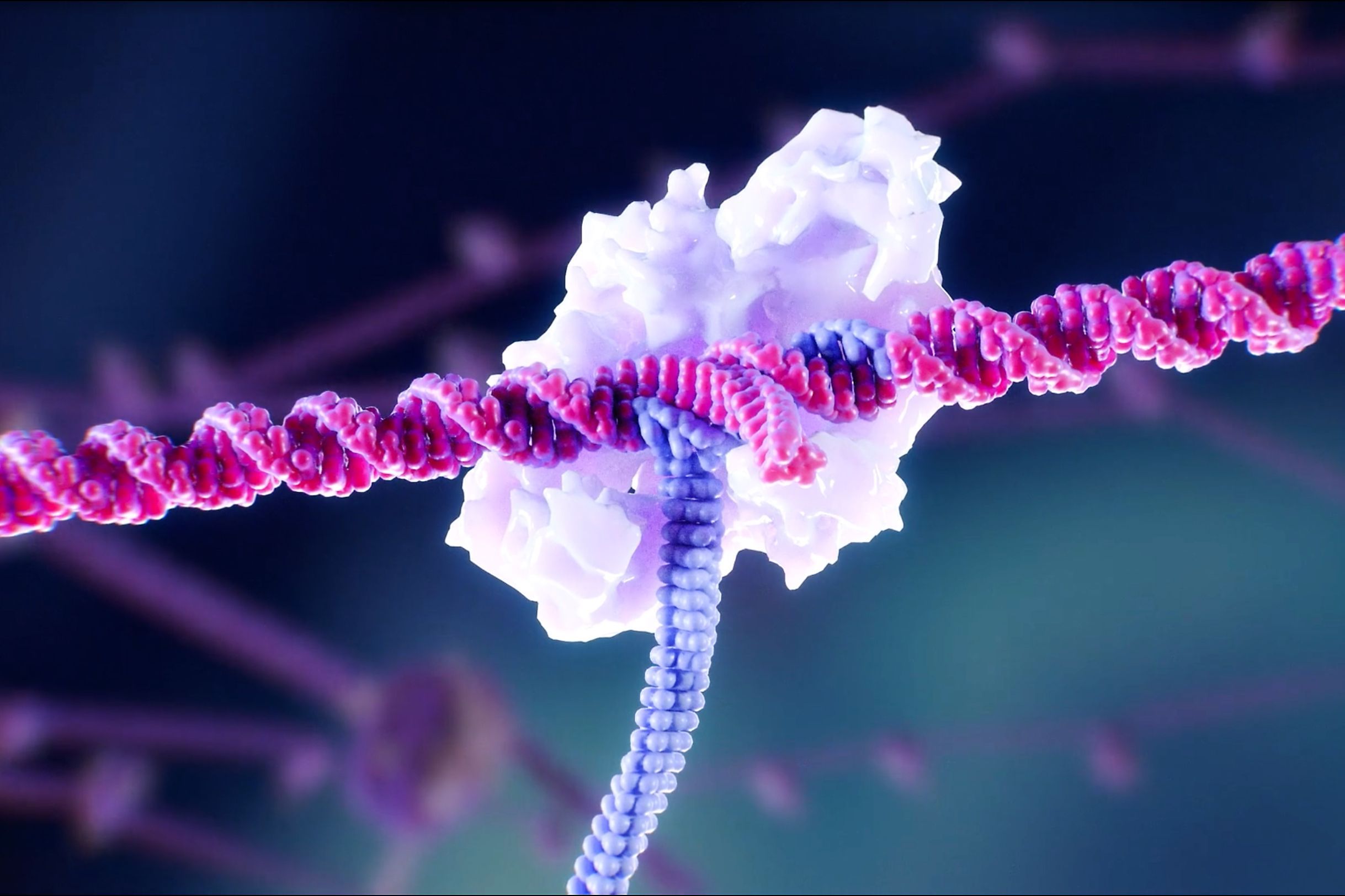
Scientists once considered certain parts of our genome “junk DNA,” since it didn’t produce proteins – the molecules essential to cells – as “junk.” But recently, researchers reported that some of this junk DNA now produces proteins; perhaps helping shape our extraordinary brainpower?

What is Junk DNA?

Junk DNA refers to parts of an individual’s genome that do not encode for proteins. Although the term is sometimes applied incorrectly, junk does not indicate their non-importance; rather it refers to their lack of scientific interest. Researchers had long noted the absence of proteins from large portions of our human genome – it wasn’t until the Human Genome Project recorded the coding regions that they realized how much “junk DNA” there actually was.

Protein-coding genes work by writing their genetic blueprint into an RNA molecule before sending it directly to a machine that manufactures proteins – the ribosome. While some of this RNA may be discarded after being synthesized into components for other cell machines, others become what’s referred to as junk DNA – leaving only some for production within cells themselves.

Scientists are discovering increasingly useful functions for noncoding regions of DNA that were once considered junk, such as one supposedly useless section that now regulates sperm production by controlling its gene. Another noncoding region known as an intergenic region may play an integral part in blood cell formation while yet another plays an intergenic role by helping cells repair damaged DNA.

This discovery that noncoding regions have developed functional roles is an eye-opener to anyone who believes noncoding DNA segments to be insignificant, though the discussion is far from over; one must remember that any DNA segment can only qualify as functional if it meets four criteria:

(1) does it contribute positively to fitness, (2) did it arise through adaptive processes, or (3) does it improve an existing trait’s function? Until we know the answers to these questions, it would be prudent not to dismiss any region of our genome as junk.

Why is Junk DNA important?

Genetic material commonly known as junk DNA plays an essential part in our genomes even though it doesn’t code for proteins directly. Scientists have long been confused by this seemingly useless genetic material that dominates so much of the genome; they don’t understand why nature would force their genome to carry so much extra baggage.

Recent discoveries by researchers indicate that much of this non-coding genetic material plays an essential role in evolution and survival of organisms. UCSD biologist Peter Andolfatto and his colleagues recently published the results of their research in Nature journal showing how non-coding regions play an essential part in gene regulation.

Horizontal gene transfer (HGT), when segments of DNA that do not correspond to any genes are transferred between cells during cell division, occurs. Sometimes this sequence becomes part of new cells while in other cases it accumulates as “junk DNA”.

Junk DNA may be used to produce non-coding RNA molecules such as transfer and regulatory RNA. Furthermore, some junk DNA plays an integral part in transcription – the process by which genes are read and turned into proteins.

Junk DNA has also been associated with cancer, an illness in which abnormal cell division results in cancerous lumps to form. A study published in Annals of Oncology discovered that variations to specific junk DNA sequences increase risk for breast and prostate cancer development.

Studies have also demonstrated that variants in junk DNA may be linked to other diseases, including cardiovascular disease and type 2 diabetes. These results demonstrate the prevalence of variation in junk DNA beyond what had previously been thought; polygenic risk scores that consider thousands or millions of variants across the genome may help identify people at greater risk for diseases; it remains unclear as to why some variants increase risk while others do not.

How does Junk DNA work?

Junk DNA refers to regions of genetic material that do not code for proteins. Although these regions don’t contribute directly to one’s physical characteristics or protein makeup, they still play an essential part in maintaining optimal cell functioning and play an essential part in helping us live life fully and freely.

Scientists previously thought noncoding DNA, known as junk DNA, served no real function within an organism’s genome. According to a new study published in Nature journal, junk DNA may actually play an essential part in maintaining good genome health in an organism.

Researchers examined genomes from various species of bacteria and fungi and discovered that noncoding DNA does indeed serve specific functions. Some examples include producing RNA molecules used in cell proteins; binding transcription factors; controlling gene expression; as well as helping control expression of genes through transcription. It’s believed that much of our junk dna may also serve these purposes in human genomes.

These findings indicate that while genes are the core component of our genomes, junk dna plays an equally critical role in gene regulation and overall function. While geneticists used to focus on finding individual genes with associated proteins, the reality of our genomes may be much more complex.

Scientists have long understood that most of the human genome contains noncoding DNA. What remains unknown, however, is how each type of noncoding DNA functions; while ENCODE project has provided some clues into this mystery it remains largely unclear how these pieces of genome interact to regulate gene expression or promote or suppress certain biological processes.

One research team at UCSD recently discovered that noncoding DNA could act as a buffer against functional parts of their genome by speeding up decay of precursor ribosomal RNA produced when genes are converted to mRNA – marking the first time noncoding DNA played an instrumental role in gene regulation.

What are the implications of Junk DNA?

Researchers long believed that junk DNA served no functional purpose, since it did not get transcribed into RNA and contribute to producing proteins. But recent research has demonstrated that certain regions do indeed influence gene expression – suggesting junk DNA may have greater impacts on organism phenotype than previously assumed. This discovery has profoundly altered scientists’ views of genes and genomes.

Scientists have long known that most of the genome does not encode for protein-coding DNA, yet its role remained unclear. Thanks to ENCODE project, scientists now understand what role non-coding regions have; many do in fact regulate gene expression!

Some non-coding regions contain genes used to make non-translatable RNA molecules that act as regulators, turning up or down expression of genes like turning up or down volume on your radio.

An important discovery has been that non-coding regions can often affect gene regulation without altering its core code, since these regions do not get translated directly into proteins but rather other RNA molecules like transfer and ribosomal RNA that then get processed by cells into proteins – although sometimes mutations of junk DNA disrupt this processing, leading to diseases like cancer.

Furthermore, much of the genome contains “wild-type” (“WT”) sequences which do not correspond with any protein-coding genes and are often referred to as “junk DNA”. Recent research has demonstrated how natural selection may reassign some of these sequences to new functions such as regulating transcription or aiding RNA degradation.

However, it should be borne in mind that junk DNA has less functional significance than coding DNA due to mutations not typically impacting phenotypes and being therefore unlikely to be selected against. Furthermore, many of its functions do not appear significant to evolution.

March 22, 2025|Editorial

Energy Medicine Training – Learn How to Heal Yourself and Others

energy medicine training

Imagine experiencing optimal health, high energy levels, clarity of thought and spiritual connectivity. Learn to heal yourself and others using this powerful approach to healing.

Combine ancient traditions with contemporary practices that define powerful healing modalities of today. Gain an understanding of biofields, heart-brain coherence and vibrational frequencies as you master chakra alignment and Reiki among other techniques.

Certification

Human bodies generate electromagnetic fields around each of its atoms that compose your cells, muscles and tissues. This field contains both positive and negative energies that create your unique energy signature – these patterns play a role in physical, emotional and mental wellbeing and energy medicine practitioners can work with them to promote healing and balance.

Energy healing is rapidly developing as more research demonstrates its effects on health and wellness. Many medical professionals, such as nurses, chiropractors, and massage therapists are now seeking certification in energy medicine to enhance their practices – they are also learning to integrate energy healing techniques into client sessions for maximum wellbeing.

If you’re interested in becoming an energy healer, it is vital that you devote sufficient time and attention to completing a full course of study. There are programs which offer comprehensive energy healing courses while other may focus on specific areas like chakra balancing or vibrational therapy. No matter which form of training you select, developing both your natural gifts and intuition while building practical knowledge will lead you down the right path.

No matter your level of experience or knowledge, the Energy Healer Certification Program will empower you to help yourself and others heal in profound ways. This comprehensive course blends theory, experiential learning and practical techniques such as sound healing, vibrational therapy and shamanic energy medicine practices into its holistic learning model. Furthermore, this program gives tools for increasing intuitive abilities, understanding energetic principles behind your work and deepening understanding of yourself in relation to universe beyond.

Once all modules of this series have been successfully completed, you will be awarded with a Master in Intuition Medicine(r) Diploma Certificate as legal certification to practice Intuition Medicine(r). This diploma serves as legal authorization to practice as an Intuition Medicine(r) Practitioner, Medical Intuitive or Spiritual Coach. In addition to its shamanic focus, this course also explores Western Kundalini energy studies to provide you with deeper experiences of energy healing, body awareness expansion, intuitive expansion and spiritual connections.

Education Requirements

Energy healing is a crucial element of holistic healthcare. Growing scientific evidence points to our bodies’ energetic systems being highly integrated with physical, emotional and spiritual aspects of our lives. When therapeutic energy healing methods are integrated into modern health care modalities like music/sound therapy, acupuncture, craniosacral therapy, Reiki or Qigong techniques – positive client outcomes result.

An effective energy healer possesses expertise in multiple forms of energy medicine. It’s not unusual for an energy healer to also practice another healing modality such as massage therapy or acupuncture; to gain maximum knowledge in any specific energy healing modality, they should undergo training with an approved teacher or mentor.

Eden Energy Medicine Practitioner Certification course offers one of the most extensive and in-depth energy medicine training available today. Designed to teach both ancient traditions and modern practices that underpin effective healing modalities today, you will learn about biofields, heart-brain coherence and vibrational frequencies’ impact on health and wellbeing, along with nine energy systems which you can leverage for powerful yet long-lasting healing.

No matter your role – health professional, integrative wellness practitioner or enthusiast – this course can equip you with tools to transform both your own life and that of those around you. The energy healing techniques taught here draw upon shamanism and quantum science for safe yet effective support through life’s challenges such as trauma, mental health issues or big life transitions – in short you’ll leave this program with the confidence of a professionally-trained Energy Medicine Practitioner ready to serve the public with pride!

Career Opportunities

Energy healing provides numerous career options. You could specialize in therapeutic touch, Reiki training or qi gong; take a more holistic approach such as Kinesiology or Polarity Therapy; or choose among several techniques like Acupuncture, Chromotherapy, Electromagnetic Therapy and Quantum Touch that channel energy to promote balance within the body such as Acupuncture.

Practitioners can find jobs in various settings, including private practice, hospitals and medical offices, home care agencies, nursing homes and day care centers. Healers with medical backgrounds may work closely with physicians to offer more holistic and comprehensive care plans for their patients. It is crucial for healers to secure liability insurance to protect themselves as well as their clients.

Energy healing has experienced explosive growth due to an increasing interest in alternative medicine and preventative health practices, along with people’s desire for natural ways of relieving stress and pain without the adverse side effects associated with medications. Its popularity can also be attributed to people looking for less expensive natural options that do not pose side effects such as those associated with some prescription.

There are various schools that provide energy healing training. While some offer in-person instruction, others focus solely on online classes. Courses range in length from weekend retreats to full years’ studies depending on which modality is being taught – for instance basic Reiki may take two weekend retreats while master-level reiki programs require extensive study over an extended period.

Students not only gain expertise in energy healing, but can also develop professional business practices by learning how to set up virtual offices, protect client confidentiality, use HIPAA compliant video conferencing tools and attract clients for their practice. Students will learn how to avoid common pitfalls experienced by energy healers like self-limiting beliefs that prevent success – another benefit gained from attending courses on business management for energy healing practitioners.

Ethics

Energy healing practitioners must have an ability to set clear boundaries, manage expectations and communicate well with clients. Furthermore, they should have an awareness of how energy healers are perceived in society – particularly among medical practitioners.

An energy medicine training program with an ethics course helps its students recognize and respond to ethical issues in their work, including identifying clients’ “scope of practice” and raising concerns with them about safety issues. Energy healing practitioners should be ready to refer clients when situations arise that might result in harmful or ineffective treatment options.

Multiple states are now mandating that energy healing practitioners obtain licenses. The move aims to protect public health, welfare and safety; its main impetus being reports of sexual traffickers using Reiki practices to hide illegal businesses; licensing energy healers allows law enforcement officials to monitor criminal activities by licensing energy healers.

Another major consideration for energy healers is how they approach client confidentiality and privacy issues. Energy healing sessions may take place remotely, creating the possibility for clients to share confidential information with unlicensed practitioners that could lead to claims of breach of confidentiality, invasion of privacy or negligence from clients. Having a license allows energy healers to comply with state massage practice laws as well as HIPAA regulations.

Energy healing training programs that include an ethics course teach their students to recognize how their beliefs, values, and needs may influence professional decisions. It’s essential that energy healing practitioners remain open-minded towards those who hold differing opinions, treating everyone with dignity and respect. Furthermore, energy healing practitioners should remain cognizant of experiencing feelings from relaxation to insight during sessions while remaining aware that clients could also feel these emotions; such knowledge can help prevent claims of insensitivity, discrimination or harassment against their practices.

SPOOKY2 PORTABLE ESSENTIAL RIFE GENERATOR KIT