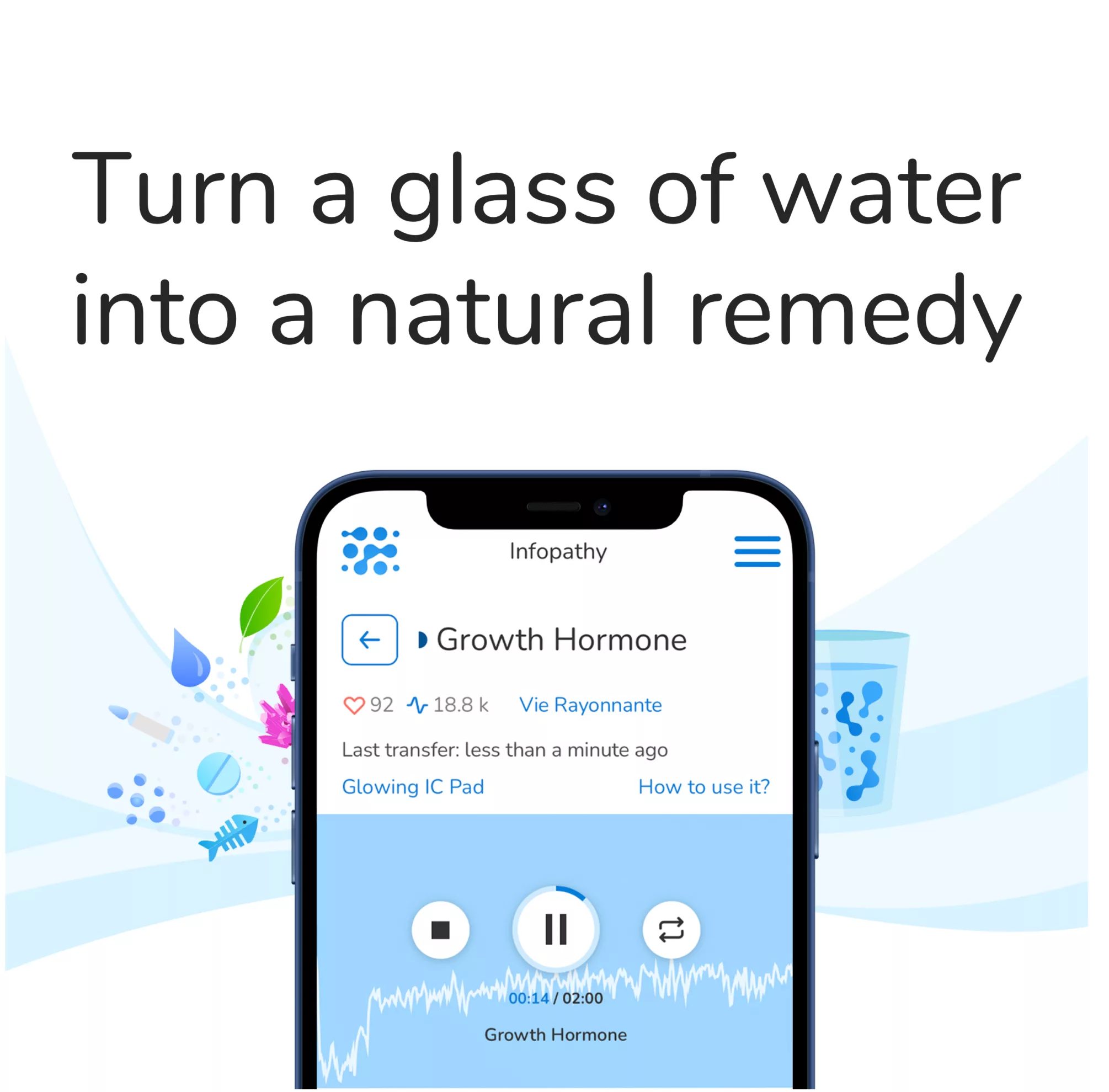
Holistic frequency therapies provide an alternative and noninvasive means of healing and wellness promotion. This form of treatment combines ancient wellness practices with cutting-edge science such as quantum physics to restore equilibrium within your body and bring balance and harmony back into its system.
Frequency-based instruments, like singing bowls and tuning forks, produce vibrations that resonate with specific parts of the body. Listening to music with solfeggio frequencies may also improve mental and emotional well-being.
Sound Therapy
Sound therapy uses harmonic vibrations and frequencies to induce mental and physical relaxation. A practitioner uses Tibetan singing bowls or tuning forks to create sounds that resonate with different parts of the body – inducing a meditative state while helping individuals relax physically, emotionally, and spiritually. Sound therapy offers an holistic alternative to traditional medicine that reduces stress while simultaneously helping rebalance body’s chakras (energy centers).

Sound healing has a rich history dating back millennia. Once revered as a powerful way to aid in healing and personal transformation in ancient cultures, modern wellness practitioners have rediscovered it as an effective alternative therapy to medications or other invasive approaches.
Some researchers have reported that listening to specific frequencies can lower heart rate variability, reduce cortisol levels and alter brain wave patterns, resulting in improved emotional regulation and greater resilience to stress according to Siedlecki and Weller (2019).
Researchers have also observed that sound healing facilitates spiritual development and provides a sense of community, while simultaneously encouraging self-reflection and building inner strength – two aspects essential to holistic recovery.
Experiences with sound healing vary considerably for each person, yet some common responses include feeling very relaxed and rested, experiencing slower or faster-than-usual time, visions or insights, transcendental experiences or feeling connected with the universe. Because of these benefits, sound healing has become an invaluable addition to many recovery programs for co-occurring disorders such as substance use disorder and mental health problems.
Chromotherapy
Chromotherapy (commonly referred to as color therapy) is an increasingly popular practice among wellness centers and spas. Chromotherapy uses various colors to stimulate energy in your body in different ways; each hue has unique vibrational properties which may have various impacts; red light may increase circulation while blue lights have been proven to lower stress levels. Furthermore, aromatherapy or halotherapy treatments can be combined for an even richer experience.
Alternative medicine practiced through quantum physics and ancient healing traditions, holistic frequency therapies seek to balance physical, emotional and mental wellbeing for an individual. Ideal for chronic pain sufferers or those experiencing insomnia or anxiety symptoms; however it must be remembered that holistic frequency therapies do not replace medical treatments; before trying vibrational medicines it is advised that professional advice be sought from health specialists first.
Vibrational therapy’s effects are still being researched; many practitioners assert that vibrational healing can ease anxiety, reduce pain and improve sleep quality. Others claim it can boost immunity, aid digestion or even slow aging; however there is little scientific support to back these alternative medicines up.
While vibrational therapies offer some potential benefits, they should not be seen as a replacement for traditional medicine. Furthermore, vibrational therapies should not be performed during an acute psychiatric crisis or while under the influence of drugs or alcohol. Furthermore, vibrational therapies are not advised for people who have heart conditions or other serious health conditions and must adhere to rigorous hygiene standards during treatments of this nature.
Meditation
Meditation was initially created to deepen spiritual understanding; now, however, its practiced to reduce stress and enhance overall wellness. A form of complementary medicine for mind-body wellbeing, meditation helps you relax deeply while clearing away clutter in your thoughts. When practicing this form of mind-body therapy, focus on breathing while paying attention to any thoughts that come up while practicing this form of relaxation therapy; when difficult emotions or thoughts come up while meditating simply acknowledge them and return your attention back to breathing again.

Meditation comes in various forms and can be practiced anywhere, with guided meditation being the most popular type. Other types of meditation may include mindfulness, body-centered, and movement-based modalities – for instance mindfulness is all about being present in each moment and not worrying about past or future events; you can do it sitting down, lying down or while walking!
Other forms of meditation include breathing exercises that use the diaphragm muscle between your chest and belly to expand and slow your breath, helping reduce stress while simultaneously lowering blood pressure. Body-centered meditation is similar to mindfulness but focuses on physical sensations throughout your entire body rather than specific points or organs.
Studies have revealed that people who meditate regularly show changes to their brain structure, including increased gray matter or larger regions associated with specific emotions. Meditation practice has also been found to reduce depression, anxiety and stress levels while simultaneously increasing intelligence and creativity as well as strengthening immunity systems and decreasing blood pressure, heart rate, cholesterol and plaque build-up in arteries.
Nutritional Counseling
Holistic therapy offers the ideal solution to those experiencing multiple symptoms at once. For instance, someone suffering from PTSD may also be dealing with chronic pain and anxiety; holistic approaches offer deeper insights into this intricate relationship between body and mind so individuals can see how all issues relate and how best to address them all simultaneously for maximum results.
Holistic therapies often combine elements of acupuncture and yoga to provide physical as well as emotional wellness benefits. These practices can help calm the nervous system, promote relaxation, strengthen immunity, reconnect brain impulses and boost energy levels – which makes holistic therapies an effective complement to traditional medications for treating mental illnesses like depression and anxiety.
Holistic techniques also incorporate “energy work,” or techniques geared at improving body’s natural energy flow, like Acupuncture and Reiki, that aim to rectify any disruptions. Acupuncture and Reiki are popular examples of such approaches.
Nutritional counseling is an integral component of holistic healing regimens. Meeting with a professional to discuss current eating habits and lifestyle, goals for improving diet, as well as tailored advice based on history of previous dieting experiences as well as any food allergies or cultural preferences can help ensure successful results.
Your therapist will determine how frequently you need holistic therapies based on which kind of holistic therapy you select. Massage and breathwork treatments, for instance, may fit seamlessly into daily life; other forms of holistic psychotherapy might require weekly appointments; with vibration therapy sessions perhaps being scheduled more irregularly.
Addiction Treatment
Addiction has an enormously negative impact on an individual’s life. People living with addiction often struggle in relationships, work and school environments. Physical health may deteriorate as withdrawal symptoms appear when quitting drugs or alcohol use; additionally they may develop emotional problems that require treatment in order to overcome. Addiction treatment provides effective means for breaking free of this destructive cycle and taking back control.
As well as behavioral therapy, holistic therapies may also be employed in substance abuse treatment programs. Holistic therapies incorporate mental, physical and spiritual wellbeing into recovery from drug dependency; activities may include exercise, meditation and alternative medicines – these methods may either supplement traditional counseling approaches or take their place altogether.
Some individuals who have become dependent on drugs or alcohol require medically supervised detoxification before beginning behavioral treatment. This process addresses physical dependence while alleviating withdrawal symptoms when substances are discontinued.
Behavioral therapies can address an individual’s motivation for changing their behavior and curb cravings, teach coping skills for managing stress and prevent relapse. Contingency management is one form of behavioral treatment used in behavioral addiction treatment that employs positive reinforcement techniques; other techniques may include motivational enhancement therapy and family therapy.
Holistic therapies can enhance behavioral addiction treatment strategies used by behavioral addiction specialists and allow people to explore spiritual and emotional health concerns that might not receive sufficient consideration in non-holistic treatment settings. By taking time for these issues to be addressed properly, holistic therapies can help people achieve long-term abstinence from addictions as they fully recover.