
Banner Image

Information Wellness Blog

Detailed Reviews and Guides about energy and informational health and wellness

blank
December 15, 2023|Editorial

What is Vibroacoustic Therapy?
what is vibroacoustic therapy

Vibroacoustic therapy is an integrative approach to sound healing that utilizes sounds to stimulate the nervous system and improve mood, as well as managing pain and sleep disorders.

VAT therapy can help with a range of symptoms, including anxiety, stress and insomnia. It may even assist those living with Parkinson’s disease and fibromyalgia. Kate Kunkel offers a VAT certification program for practitioners interested in including VAT in their holistic practices.

It is a noninvasive form of therapy

Vibroacoustic therapy is a noninvasive form of therapy that utilizes vibration and sound waves to alleviate stress, pain, and anxiety. Studies have proven its efficacy for insomnia, anxiety and depression as well as improved quality sleep and enhanced relaxation. Vibroacoustic therapy may be used alone or combined with treatments such as yoga, acupuncture or massage; and can even be done at home!

Studies have demonstrated that VAT therapy can relieve pain associated with rheumatoid arthritis, fibromyalgia and cancer treatments. Furthermore, VAT can assist patients with breathing issues like COPD or cystic fibrosis; chronic fatigue syndrome; Irritable Bowel Syndrome and can even help reduce nausea symptoms. Finally, VAT has also been demonstrated to significantly diminish dementia and Alzheimer’s symptoms.

Vibrations produced by music stimulate the nerves in the spine and brain stem, activate the limbic system which drives emotional responses, and send signals to muscle tissues to relax – similar to how deep-tissue massage works. Furthermore, low frequency bass causes muscles to expand and relax through an effect known as entrainment; taking your body away from sympathetic (fight or flight) nervous systems into parasympathetic nervous systems (chill).

blank

VAT therapy works on the principle that everything vibrates in some way – be it music, noise, or light – which includes your body as it contains over 65 percent water that vibrates when exposed to different frequencies of vibrations. Therefore, selecting frequencies appropriate for VAT therapy in order to obtain optimal results from its application.

There are various VAT devices on the market, including beds, chairs and pillows. While some target specific parts of the body with vibration therapy, others provide sound bath-type sessions without physically touching the patient at all. Some devices even come equipped with speakers to play music during vibration sessions.

Benefits of mindfulness therapy may be both immediate and long-term. It can help you relax and stay present during treatment for addiction. Furthermore, mindfulness can alleviate side effects associated with cancer treatments like neuropathy and nausea while helping manage major stressors in life and alleviating symptoms associated with posttraumatic stress disorder (PTSD).

It is a form of massage

Vibroacoustic sound therapy is an alternative form of massage that utilizes music and vibration therapy to relieve pain and promote relaxation. It has been used successfully to address back and neck pain, stress, anxiety, depression, fibromyalgia, chronic respiratory conditions like asthma or COPD as well as chronic immune conditions like Lyme disease. Research shows acoustic vibration therapy can improve blood flow, decrease inflammation and stimulate parasympathetic nervous systems to promote healing; however it should not be seen as a replacement for traditional medical treatments.

At each session, patients lie back on a vibroacoustic lounge chair or massage table equipped with transducers containing speakers called transducers that create vibrations felt throughout the body and heard in ears. Music played through these transducers is then played, producing vibrations felt all throughout and heard in ears; which music to choose depends on what condition is being treated; popular selections include Gregorian chants and classical music but practitioners may use more subtle sounds of nature or instrumental instrumental music without lyrics instead. Vibration sound therapy may also be combined with acupuncture or massage techniques in order to treat specific pain areas more effectively than ever.

VAT therapy has been shown to effectively treat chronic pain, arthritis and fibromyalgia as well as PTSD and stress disorders. Furthermore, it may reduce anxiety associated with cancer treatments while alleviating nausea, as well as reduce tremors and stiffness experienced by Parkinson’s patients.

Kate Kunkel is a certified VAT practitioner offering an advanced certification program for therapists looking to add this modality into their holistic practices. This training includes an in-depth history of using sound and vibration therapies as therapy as well as an extensive manual with frequency programs to achieve specific results.

VAT’s most significant advantage lies in its non-toxic nature. This makes it a safe and natural way to alleviate stress, anxiety and pain; boost immunity; provide mental clarity. Though its effects may not appear immediately; rather they could take several hours or days before their effects become visible.

It is a form of meditation

Vibroacoustic therapy is a noninvasive technique that utilizes audible sound waves and vibration to promote relaxation, pain relief, and healing. Studies have also demonstrated its efficacy against anxiety and depression – making this tool invaluable in holistic medicine arsenal and complementing traditional psychotherapy treatment protocols.

Vibroacoustic systems produce vibrations that resonate with our bodies, prompting water molecules in cells to move around and communicate more freely between one another. Since our bodies consist largely of water, this vibration helps our body enter parasympathetic mode more easily while improving circulation and blood flow throughout. In addition, sounds produced from these vibroacoustic systems can help alleviate stress and muscle tension.

At the core of sound therapy lies low frequency sound waves played through speakers equipped with speakers playing low frequency sound waves that emit vibrations at specific frequencies such as solfeggio frequencies and binaural beats, known as brainwave entrainment; these vibrations stimulate brainwave patterns synchronizing with sensory input resulting in relaxation and healing.

At each session, clients listen to soothing music that is not too loud and does not contain lyrics, such as classical music or Gregorian chants. Clients usually experience an overall sense of peace and well-being after attending one. Sessions may take place in hospitals or clinics by trained therapists while sometimes people use home-based vibroacoustic systems.

One of the primary uses for VAT is to alleviate stress and anxiety, making it an invaluable therapeutic tool for those fighting addictions as it allows them to focus on recovery while relaxing more easily. Furthermore, it has proven helpful for treating sleep disorders through reduced anxiety levels.

When selecting a VAT provider, be sure to inquire about their credentials. A reliable practitioner should have completed specialized training and be accredited by an appropriate organization; additionally they should possess experience working with various conditions while being available to answer any inquiries you might have about this form of therapy.

It is a form of relaxation

Vibrations from sound and music can help people relax using vibroacoustic therapy (VAT). The non-invasive approach has proven successful at relieving pain and anxiety for numerous patients in hospitals and spa settings alike, with its goal being to bring the body back into healthy resonance by stimulating regulatory and metabolic systems.

Vibroacoustic therapy uses various instruments and devices to convert sound frequencies into mechanical vibrations that can be felt throughout the body, creating vibrational waves said to promote relaxation and improve blood circulation; some studies have also reported these vibrations can reduce muscle tension and stress. Vibrational therapies may be used to treat many mental health conditions ranging from simple sound baths to more complicated therapies like sonic massage.

Though science still doesn’t fully comprehend how this form of therapy works, researchers have studied its effects on a number of disorders. One theory suggests it stimulates a response in the brain which in turn causes rhythms of sensory input to sync up with natural oscillations within your own body; another holds that vibrations from this form of therapy may be absorbed by cells and converted into energy; in any event vibration therapy has proven useful in improving sleep as well as decreasing anxiety and depression levels.

Research has demonstrated that vibroacoustic therapy can alleviate fibromyalgia pain and enhance quality of life for those suffering with chronic back and neck conditions, including chronic back and neck problems caused by fibromyalgia. Furthermore, vibroacoustic therapy has been effective at managing symptoms associated with other conditions like inflammatory diseases and cancer.

vibroacoustic therapy holds promise as an effective tool in treating mental illness, so it’s crucial that qualified providers offer this therapy. At Conscious Health & Wellness, we specialize in offering holistic therapies designed to make you feel relaxed and balanced – contact us now for more information about how our services may help you manage mental health challenges more successfully!

December 15, 2023|Editorial

An Intro to Biohacking

intro to biohacking

Biohacking merges biology and medicine together into DIY health. Depending on its implementation, this trend has both advantages and risks.

No matter if it involves genetics or food, there are plenty of biohacks out there to help improve your body for weight loss, brain function, anti-ageing and more. We explore some of the most successful DIY strategies.

What Is Biohacking?

Biohacking has grown increasingly popular over time due to the surge in intermittent fasting and meditation practices as well as advancements in tracking and optimizing technology for our bodies. At its extreme end, biohacking can involve cutting edge gene editing or neural implant procedures; but at other points along its spectrum it could simply mean diet or lifestyle modifications designed to enhance our health and performance.

Simple biohacks to consider by anyone interested in their health include getting enough sun exposure, eating healthily and supplementing with nutritional supplements; exercising regularly; spending time in nature and meditating; as well as getting sufficient sleep. Any biohacks undertaken must always be overseen by a qualified healthcare provider, such as a functional medicine doctor, to ensure no adverse side effects arise or worsen existing conditions; more advanced strategies include nootropics and stress-relief herbs; cold therapy treatments and whole body vibration therapy techniques.

What Is Biohacking for?

Biohackers use supplements like nootropics and adaptogens to boost mental and physical performance, using technology to track their sleep, exercise, hydration and diet regimen.

While some techniques, such as changing diet or sleep routines, can be harmless, others require more extreme measures and have limited scientific support behind them. For instance, using devices like binaural beats apps to induce sleep may prove effective for some but may lead to severe side effects in others.

It’s generally best to follow tried-and-true practices such as exercise and diet to increase health and energy levels, though some biohackers may take an alternative approach such as trying a polyphasic sleep schedule or fasting to increase energy and overall well-being. When employing such unconventional practices it should only be done under professional advice of functional medicine doctors.

How Can Biohacking Help Me?

Biohacking can improve both physical fitness and disease symptoms. When done responsibly, biohacking techniques can also extend lifespan and promote mental wellbeing – but some techniques must be approached carefully or they may pose a danger.

Dietary adjustments and exercise can improve sleep, energy levels and mood. Furthermore, increasing blood flow to vital organs and skin may boost immunity while helping combat signs of aging complexions.

Other biohacks include intermittent fasting, sauna use and nootropic supplement consumption – each can increase brain derived neurotrophic factor (BDNF), which in turn could support memory and brain functions. Furthermore, biohackers can boost BDNF production through apps to monitor restful sleep duration as well as eliminating caffeine from their diets; similarly they could drink Bulletproof Coffee which consists of premium-quality coffee beans mixed with grass-fed butter – this dietary hack should not be taken during pregnancy due to this combination of ingredients – increase brain BDNF production while improving cognitive performance through using apps to monitor restful sleep duration as well as increasing brain derived neurotrophic factor production; this method could increase brain derived neurotrophic factor production while improving memory performance significantly; additionally this method should improve cognitive performance by increasing brain derived neurotrophic factor (BDNF), potentially aiding memory formation as well as brain functioning by drinking Bulletproof Coffee which contains high quality coffee beans mixed together with grass fed butter to increase brain derived neurotrophic factor production – although this method should not be recommended during pregnancy!

What Is Biohacking for Athletes?

Biohacking has become an increasingly popular practice among athletes looking to maximize performance and decrease fatigue. Cordyceps is believed to increase energy, endurance and mental focus – two goals athletes often share.

Cordyceps is a type of functional mushroom used for centuries in traditional medicine and now supported by scientific research. Available as supplements or tea form and in a range of other products.

Biohacking has earned itself the stigma of being “ahead of its time” and can be dangerous when using technology such as hyperbaric chambers that may not have been approved for clinical settings. When done responsibly and with long-term goals in mind, however, biohacking can become an invaluable asset to improve fitness and health*.

What Is Biohacking for Mental Health?

Biohackers typically focus on stress management through techniques like meditation and restorative sleep to restore the body after prolonged exposure to stress. Exercise and nutrition may also be used as means to unwind. They might track one-repetition maximums or grip strength to measure physical benefits from lifestyle changes.

Other biohacks typically involve increasing energy levels through exercise and nutrition, or supplementation with creatine, amino acids or other nutritional supplements. They could also use brain hacks such as taking nootropics to increase levels of neurotransmitter BDNF.

Some biohacks may be supported by science. As a result, it’s wise to conduct your own research and consult with healthcare professionals before trying any novel techniques – this holds especially true when performing DIY DNA splicing experiments on yourself.

What Is Biohacking for Weight Loss?

Biohacking weight loss involves making changes to your diet, exercise routine and lifestyle that can help you shed more body fat while simultaneously increasing muscle growth and feeling more energetic throughout the day. Furthermore, biohacking may improve sleep patterns, reduce stress levels and enhance mental performance – all key elements for successful weight loss.

Many biohacking methods are relatively safe to try at home, while some are potentially more hazardous and could pose health risks if used incorrectly. DIY biology labs and genetic engineering are two biohacking strategies which may endanger both you personally and wider communities.

Consuming a balanced diet and incorporating caffeine before intense workouts can boost energy, endurance, and strength. Yoga and pilates exercises can be added into your workout regime to burn calories while improving flexibility and alleviating back pain – these simple yet straightforward biohacks can start working immediately!

What Is Biohacking for Stress Management?

Practice gratitude, spend time outdoors and take power naps – these simple biohacks can be powerful ways to alleviate stress levels and boost mood. The more often these activities are carried out, the sooner you’ll see results.

Cold exposure – such as taking cold showers – is another biohack with potential to improve brain health by stimulating BDNF production and increasing overall wellbeing. This practice has proven its worth to scientists who study brain activity.

Biohackers often take biohacking to extremes; however, most biohackers experiment with light practices that improve health and wellness in ways that are generally safe. If you have medical issues or are taking medication, however, consulting with a functional medicine doctor first is wise in order to safely explore this avenue of self-improvement; additionally they will recommend products and supplements tailored specifically for you and meet all of your individual needs.

What Is Biohacking for Sleep?

Biohacking” might sound futuristic, and can involve anything from eating certain types of foods to getting an enzyme injection – but when used effectively it can improve health and performance–even helping with getting better restful nights’ sleep!

Sleep can help improve your mood, energy levels and focus. Unfortunately, however, many people struggle with getting enough quality restful slumber.

There are various biohacking strategies you can try in order to achieve more restful sleep, from non-technological methods like taking cold plunges and red light therapy (to boost melatonin production) through food restrictions like caffeine consumption to at-home lab tests which measure your nutrient levels and help identify any deficiencies which might be hindering it.

What Is Biohacking for Energy?

Biohacking typically involves making small modifications to your body in small steps, such as increasing fat intake or trying intermittent fasting. Biohackers may use tools such as Fitbits or blood testing services to monitor health and wellbeing.

Note that not all biohacks are safe. Before taking the next step with any biohack, always conduct adequate research, evaluate any techniques carefully for safety, and consult with healthcare providers as part of your due diligence.

So for example, you might try an ice bath or practice controlled breathwork (such as Wim Hof Method) to enhance sleep and energy levels, but be careful to do it slowly and discuss any health-related concerns with your physician first. Overdoing biohacking may end up having detrimental consequences on both performance and health if done too hastily; similarly with any supplements or IV treatments used as performance enhancers.

What Is Biohacking for Mental Performance?

Biohackers use neurobiology advances to harness their own brain power in an attempt to enhance memory retention, accelerate learning abilities, or address mental health concerns that interfere with daily life.

Biohackers use a range of strategies to enhance mental performance, from nootropic supplements to brainwave entrainment. They also experiment with different work environments in search of an ideal combination between focus and creativity.

Biohackers often go around FDA regulations by experimenting with untested substances and technologies, potentially leading to serious health risks. Therefore, individuals experimenting with biohacking techniques should research each technique thoroughly prior to engaging with any biohacking techniques; those with preexisting medical conditions should exercise extra caution when trying out any biohacking techniques; when considering biohacking devices emitting electromagnetic fields (EMFs), as these may interfere with body’s normal functions and could pose serious threats.

December 15, 2023|Editorial

The National Association of Holistic Health Practitioners

Holistic health practitioners go beyond what traditional doctors or conventional science-based medicine usually provide as treatments, taking an integrative approach that acknowledges disease as the result of physical, emotional, spiritual, or social imbalances.

Integrative healthcare practitioners use an integrative approach to wellness in helping their patients make lifestyle changes. Their treatment plans may also incorporate complementary or alternative medicine options.

Education

Holistic health practitioners are individuals who believe there are various approaches to reaching wellness. They may come from diverse educational and training backgrounds and be certified in various modalities like herbal medicine, acupuncture, yoga, or meditation. Some holistic health practitioners work within medical communities alongside physicians and other healthcare providers in providing patients with optimal care.

A holistic health practitioner‘s level of education depends on which career path they wish to take. Some modalities require as little as several weeks of study for certification while others can require years. The type of education received will ultimately dictate their salary expectations.

Holistic health practices that were once disregarded in Western medicine have seen renewed acceptance among primary healthcare practitioners, and some even incorporate these modalities into treatment plans for some physicians. Furthermore, the National Center for Complementary and Alternative Medicine is increasing funding for research into such healing traditions.

Holistic practitioners are hopeful that holistic practitioners will soon be able to assist their patients in crafting treatment plans which combine both conventional and complementary and alternative medicine practices, like those offered by naturopathic doctors, acupuncturists, massage therapists and nutritionists. Some naturopathic doctors, acupuncturists, massage therapists and nutritionists are already doing this for their clients, helping them create healthier lifestyles with long-lasting effects.

Start Your Own Private Practice for Holistic Health Career Success Another option available to those interested in holistic health-oriented careers is starting their own private practice. With experience and business acumen, individuals can be very successful with this endeavor; however they will require investing in marketing and advertising campaigns themselves. Other practitioners opt to work at clinics, spas and wellness centers first in order to build experience and credibility before opening up their own private practices; in these types of environments practitioners usually must adhere to certain national association of holistic health practitioners guidelines as supervised by licensed practitioner supervisors before venturing forth on their own private practices.

Credentials

While licenses may be necessary for traditional Western healthcare jobs like nursing, such as registered nurse (RN), they may not always be needed for holistic health-focused careers such as aromatherapy. This can be beneficial as many practitioners choose holistic health-based careers for personal rather than altruistic reasons; so when working with practitioners it’s a good idea to ask why they chose this path and whether or not they are certified and licensed practitioners.

Holistic health practitioners offer an array of services, such as massage therapy, nutritionists and herbalists. They may work for organizations such as spas or wellness centers; alternatively they may opt to set up private practice. Some even provide online services like equestrian therapy and energy healing – yet all share one thing in common: an understanding that mind, body and spirit are interdependent.

If you want to become a holistic health practitioner, the first step will be completing a certification program. While some programs take only weeks or months to finish, others can last several years and lead to degrees. Your career in holistic health depends on which area of study you choose – common coursework includes anatomy & physiology courses, herbology studies, acupuncture treatments and massage techniques.

Before selecting a school to attend, ensure it has received accreditation from the National Association of Holistic Health Practitioners. This will give you confidence that it meets national standards and has qualified instructors. In addition, check with your state’s department of higher learning to see if they approve as an education provider in order to add another layer of security.

Once your training is complete, the National Association for Holistic Healthcare Providers (NAHHP) requires that you obtain a license in order to begin practicing as a spa practitioner, life coach, holistic health nutritionist or medical aesthetician. However, only practitioners who meet certain qualifications will be granted licenses; otherwise the NAHHP may suspend your license until such time as you reach compliance.

Licensing

Achieve holistic health practitioner status may depend on which field you pursue. Career paths like naturopathic medicine typically require doctoral programs and clinical training; other professions, like ayurveda or herbalism may offer self-study options or certificate programs as possible routes. No matter which path is taken, becoming certified holistic health practitioners is a necessary first step towards building consumer trust and wider acceptance within the healthcare community.

National associations for holistic health practitioners set standards for education and certification within specific fields, while providing professionals with an opportunity to exchange ideas and discuss recent trends in holistic healing. All these benefits make joining such associations worthwhile for prospective holistic health practitioners.

State licensing requirements exist for professions such as acupuncture, massage therapy and nutritionists; however, licensure isn’t always mandatory – particularly in holistic health fields like naturopathy, herbal medicine and energy healing.

Holistic health practitioners use an unconventional approach when diagnosing and treating illnesses or diseases. Holistic practitioners take an holistic view, considering a person’s life in terms of mind, spirit and body when diagnosing or treating conditions or illnesses. Holistic practitioners may employ traditional, alternative and ancient healing modalities in creating personalized plans of treatment that address individual conditions or ailments.

Qualified holistic practitioners have numerous employment options, from spas and wellness centers to integrated healthcare facilities and private practices where they set their own policies, schedules and fees – earning an estimated average annual salary of $86,000 per year. Earnings can depend upon their specialization, location and years of experience. Holistic wellness consultants typically collaborate with conventional health care providers to help patients explore alternatives to medication or invasive medical procedures; those with business acumen can even establish their own holistic wellness center – offering flexible hours, control over scheduling and the ability to adapt decisions according to client needs.

Professional Development

Once people become more informed of alternative healing practices available to them, many want to make an impactful statement by starting their own holistic health practice. Some practitioners opt to work for spas, wellness centers or physician’s offices; others prefer their own private practices requiring business savvy as well as the necessary credentials and clients in order to be successful.

Practitioners need to possess an in-depth knowledge of both body and mind as well as natural healing techniques. They should understand all aspects of health; physical, emotional and spiritual as they all interact together. Furthermore, practitioners must be excellent listeners that can form meaningful connections with their patients.

Holistic healthcare practitioners utilize several techniques such as acupuncture, aromatherapy, massage therapy and Tai chi to assist in stress management, pain relief and general wellness promotion. These treatments often combine well with conventional medical therapies for an encompassing approach to patient care.

The American Holistic Health Association, a nonprofit organization providing wellness resources, emphasizes the significance of taking care to address a patient’s mental, emotional and spiritual wellbeing. If any one area suffers, all three will also suffer.

While most Americans still consult a primary care physician when sick, an increase in people seeking alternative medicine specialists has seen more individuals opting for holistic healthcare practices who specialize in herbal remedies, homeopathy and other alternative treatments such as chiropractic.

Some of the more sought-after holistic healthcare practitioners include acupuncturists, aromatherapists and tai chi instructors. These professionals typically command higher than average salaries depending on their level of experience and specialty; those opting to work independently must cover business costs themselves while providing health insurance and retirement plans themselves.

December 15, 2023|Editorial

Quantum Touch Healing Reviews

quantum touch healing reviews

Quantum Touch is a simple yet profound energy healing technique that taps into the body’s own healing capabilities to enable optimal health. It can help correct posture and alignment issues, reduce pain and inflammation levels, help balance emotional distress levels and even heal pets!

Touch, breathwork, and intention all combine for an incredible tool in energy work. It should be an integral component of anyone’s toolbox when approaching energy work seriously.

2. Richard Gordon – The Quantum Touch Book

Quantum-Touch, an exciting hands-on healing modality, utilizes life force energy (also referred to as “chi” in Chinese or prana in Sanskrit) to balance and direct your body’s natural ability for self-healing. It’s a highly effective healing modality which can address an array of issues; going beyond simply treating symptoms to address core problems for enhanced wellness.

Quantum-Touch is an energetic healing system that utilizes breathing and body awareness techniques to focus and amplify the universal vibration of love, leading to self-healing and improved vitality and an overall sense of well-being. Furthermore, Quantum-Touch helps address core emotions which often lie at the source of physical ailments.

Instead of the attunements or training provided by qualified instructors for other healing modalities, this one requires only that you read a book and practice with a certified teacher to become a practitioner. Once practiced with, these skills can then be used to assist both yourself and others – it easily integrates with other healing modalities while being particularly useful for dealing with emotional blockages.

This book explores how humans have an innate capacity for self-healing that can be enhanced through quantum touch healing techniques. These healing methods rely on resonance and entrainment – when two vibrating objects start vibrating at similar frequencies simultaneously; for example crickets chirp simultaneously while fireflies flash simultaneously.

The authors present an in-depth exploration of quantum touch’s core principles as well as an in-depth examination of healing sessions that demonstrate its efficacy, making this book an indispensable resource for anyone interested in energy healing. Furthermore, Tyler and Richard offer a free online course which builds upon this material covered by this book; featuring live teachings, interactive sessions and experiential practices with Q&A with them for two modules (providing an incredible transformative experience that could significantly amplify healing skills).

3. Tyler Odysseus – The Colors of Quantum-Touch

Quantum Touch employs techniques for amplifying life force energy – known in Chinese as “chi” or in Sanskrit as “prana.” These exercises incorporate breathing and body awareness exercises and this energy has proven itself effective for healing through resonance and entrainment principles. Entrainment occurs when two objects vibrating at different speeds become in sync when energy transfers between them; an example can be seen when crickets chirp at once or fireflies flash simultaneously; similarly this phenomenon works within quantum touch – which has profound health-giving results when used correctly – with positive health results!

Tyler Odysseus has been developing and teaching multiple energy modalities for fourteen years. Having studied under Richard Gordon, Tyler brings a unique perspective to Quantum-Touch healing art. In this course he teaches advanced techniques designed to take your Quantum-Touch sessions to the next level by tapping into resonance and entrainment principles; using them, one can support or accelerate healing processes both personally and for others.

This 12-week live video course will equip you with the skills to develop both in-person and remote Quantum-Touch techniques, while strengthening the healing mechanisms of your body for balance, comfort, and postural realignment. Furthermore, this program provides tools to process core emotions, while discovering life’s unmistakable synchronicities.

The first week of this course focuses on learning the fundamental Quantum-Touch techniques, including how to draw in, generate and flow energy from hands into body; connect with twelve-colored energy within healthy cells; and how to draw it all back out again.

In the second week, advanced techniques will be taught. These include methods for evaluating energy in the body and pinpointing specific areas that need healing using “running energy”. When doing this technique, practitioners put their hands over parts of the body which require healing before running energy into them using a technique called “running energy”. After running this energy into one spot on their bodies, they move their hands onto other spots, repeating this process until all healing needs have been addressed.

4. Richard Gordon – Supercharging Quantum-Touch

Resonance and entrainment techniques are used in this energy healing approach to enhance the body’s innate healing power. A practitioner learns to raise their vibration to generate high-level energy which can then be directed toward any area needing healing; the target areas will entrain to this higher frequency and allow biological intelligence to determine any necessary healing treatments.

Richard Gordon (Your Healing Hands – The Polarity Experience) created the Quantum-Touch healing system. After attending a healing workshop with healer Bob Rasmusson in 1978, Gordon used techniques learned there as the basis for developing Quantum-Touch and also integrated some of his own discoveries about energy into it. A basic Quantum-Touch course includes both an overview of its science as well as hands-on training in its techniques.

Quantum-Touch energy healing method is easy for anyone to learn, making it suitable for use within medical practices as a great complement for patient healing. No formal qualifications are needed and the basic technique can be learned within 12 hours. Numerous doctors and nurses are now using Quantum-Touch to enhance patients’ healing.

Quantum-Touch practitioners specialize in realigning bones and structures that need realigning, which can reduce pain, swelling, improve mobility and posture and even accelerate healing time after surgery. As a result, patients can return to living their lives more quickly than expected.

QT can help to treat physical, emotional, and spiritual conditions. Karine Calhoun of Panacea Energetics began using Quantum Touch after it helped her overcome West Nile Virus symptoms. Now she shares this healing method through teaching Quantum-Touch classes.

Quantum-Touch can be practiced both directly and remotely. As quantum mechanics dictates that energy can flow between time and space, healing works just as effectively whether done face-to-face or remotely – which explains why Skype or video calls can also be used for healing sessions with this system.

December 15, 2023|Editorial

What Is TENS Therapy Frequency?

tens therapy frequency

TENS machines should not be used if you have heart conditions, are wearing a pacemaker, have skin conditions like shingles or cancer, or suffer from epilepsy. Please consult your physiotherapist first to make sure TENS is safe for you.

Patients should be encouraged to experiment with various TENS settings until they find one that best meets their needs.

Low frequency

Low frequency signals use an alternating current low enough to penetrate skin layers and reach impulse fibers that suppress pain transmission to the spinal cord, with minimal potential for discomfort and wearable intensity settings that are user adjustable. As its name implies, low frequency devices have been successfully utilized by multiple studies for treating chronic back pain, fibromyalgia, and osteoarthritis of the knee.

These signals can be broadcast directly over a treatment area with electrode pads that adhere to the skin, using an alternating current that passes through them and generates mechanical vibrations in tissues below, producing a kneading action which alleviates muscle tension and stiffness, stimulating endorphin release.

Tens therapy has proven its efficacy in relieving some forms of pain; however, its impact in dealing with diabetic peripheral neuropathy remains unstudied formally yet. Research is in progress however.

Investigators conducted a randomized cross-over trial on 75 patients with type II diabetes mellitus and lower limb painful distal axonal neuropathy to test the effects of different TENS frequencies on pain intensity. Participants completed validated questionnaires such as the Brief Pain Inventory, Pain Disability Inventory, and Pain Catastrophizing Scale; daily pain assessments were recorded by participants as well as weekly phone interviews with researchers; quantitative sensory testing (QST) was then utilized to establish pressure pain thresholds and temporal summation of pain.

Both high-frequency TENS and low-frequency TENS were shown to significantly reduce pain intensity among young participants at baseline, immediately after, and 30 minutes post TENS application; however, no significant difference could be observed among the three TENS treatments among older participants.

Studies conducted on both HF and LF TENS showed similar effects when applied over the lumbar spine in another study, as well as reduction of activity in primary somatosensory cortices and increased connectivity between these regions of the brain. A more recent investigation involving healthy participants also demonstrated this.

The key takeaway from this analysis is that not all TENS devices are created equal. Being aware of the differences among these five signals will enable healthcare providers to select one with optimal functionality for their patient populations.

Intermediate frequency

TENS can create analgesia by activating endogenous inhibitory mechanisms in the central nervous system such as opioid, GABA, serotonin and muscarinic receptors. Which receptors are utilized depends on TENS frequency; for instance HF TENS produces analgesia by increasing concentrations of opioid b-endorphins in cerebrospinal fluid and can be blocked using naloxone to decrease this effect; in contrast LF TENS creates analgesia by activating NMDA receptors located throughout spinal cord neurons which again can be blocked using blockade of these NMDA receptors with blockade of those receptors using blockade of those receptors with naloxone to avoid oversaturation or over stimulation of these effects resulting in pain reduction; both effects can be prevented using blockade of these specific receptors to reduce pain levels without increasing opioid b-endorphin concentration, while blockade of opioid receptors can prevent oversaturation, for instance HF TENS produces analgesia by increasing concentration of opioid b-endorphin b-endorphin concentration and in human cerebrospinal fluid for humans while blockade of opioid receptors using naloxone. In contrast, LF TENS produces analgesia by activation of spinal cord NMDA receptors using similar techniques that blockage with naloxone.

TENS has been shown to reduce pain for patients suffering from musculoskeletal conditions like low back and neck pain as well as fibromyalgia; however, its efficacy against other painful conditions such as rheumatoid arthritis or knee osteoarthritis remains uncertain due to poor quality studies or heterogeneous interventions/comparisons/outcomes.

Recent research demonstrated the efficacy of TENS therapy for treating chronic cough. The research compared two groups, one using daily TENS while the other did not; patients using regular FS-TENS treatments experienced greater improvement than their counterparts who only utilized TENS occasionally.

Another study analyzed the efficacy of TENS in treating chronic shoulder pain. They compared results of two systematic reviews on its use for treating rotator cuff impingement and adhesive capsulitis with those from two small studies that employed TENS without adequately comparing its benefits against alternative therapies. Both reviews concluded there was insufficient evidence supporting its use; most importantly they concluded there was limited participation with few participants taking part.

TENS is not recommended for patients with implanted electronic devices such as pacemakers. However, under carefully controlled circumstances it may still be used. Many MSK solutions utilize TENS in their care models; however, evidence supporting its efficacy remains limited due to studies only focusing on chronic low back pain rather than other musculoskeletal conditions. It is essential that its clinical validity be supported by quality research studies that provide validated patient outcomes.

High frequency

HF TENS utilizes monophasic pulses at 100Hz with an amplitude range of 1–20mA to deliver painless tingling sensations to its patients, while adjustable duration pulses help decrease muscle spasms and increase local blood flow to injured areas. This frequency can also help decrease spasms.

Studies have revealed that high frequency TENS may help alleviate chronic neuropathic pain, as its effect is mediated by opioid receptor antagonists which prevent proinflammatory cytokines and neurotransmitters that increase central excitability from increasing central excitability. Furthermore, it appears to reduce microglial activation and glutamate release in the spinal cord; its benefits could even be enhanced through taking acetaminophen.

Evidence to support TENS as an effective treatment of musculoskeletal conditions is currently scarce, though two randomised controlled trials involving patients suffering from rotator cuff impingement or adhesive capsulitis produced mixed results; however, due to low quality evidence and heterogeneity within comparison groups resulting from these RCTs it cannot be drawn upon with certainty; future RCTs must implement well-designed methods when evaluating conventional TENS treatments in relation to treating these disorders.

TENS is a noninvasive modality used to treat musculoskeletal conditions like fibromyalgia. When combined with other therapies such as massage or exercise, TENS may offer further relief. Patients should be educated about its potential side effects such as minor redness at electrode placement that will subside quickly. Furthermore, repeated use at similar intensities and frequencies can cause analgesic tolerance and thus diminish its effectiveness.

TENS provides rapid and short-lived analgesia; however, its effect can be prolonged by changing frequency or intensity settings. TENS should never be used on areas of infection or broken skin and any discomfort should be reported immediately to their therapist; additionally they may experience sensations similar to clawing or grabbing by electrodes – this is common and should be reported accordingly.

TENS can assist those living with fibromyalgia by increasing endogenous opioid sensitivity, inhibiting proinflammatory cytokines and neurotransmitters, increasing blood circulation to injury sites, and modulating pain modulation. Furthermore, TENS may help alleviate musculoskeletal problems while improving sleep patterns.

Mixed frequency

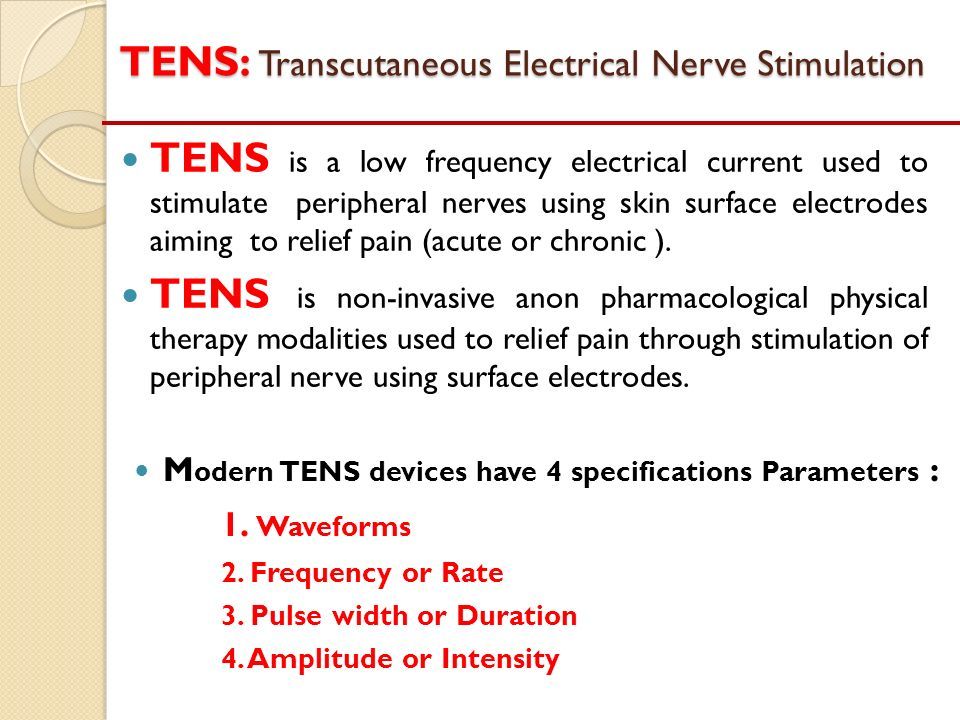
TENS, or transcutaneous electrical nerve stimulation, uses portable stimulators that produce electric currents to excite or depress neurons in order to provide pain relief as well as treating conditions like fibromyalgia, muscle tightness and arthritis. It has also become an integral component of therapy protocols in other disciplines.

Tense muscles can cause chronic discomfort in the back, shoulders and neck area. TENS units offer relief by offering multiple frequency settings, pulse width options and intensity settings; using TENS regularly has proven its lasting effectiveness.

TENS units offer an effective combination of low, medium and high frequencies to deliver treatment with greater efficiency. Furthermore, TENS units allow users to set desired intensity levels as well as choose between audible or inaudible signals for maximum convenience.

Most TENS devices are battery-operated and allow the user to select frequency, pulse width, and intensity levels. Many systems include up to 10 channels for simultaneous therapy of multiple areas simultaneously. Electrodes typically connect the device to skin that can be adjusted into position for use.

Research has proven the efficacy of TENS; however, when used with patients it should be carefully considered due to various factors including type of pain being treated, duration and intensity of TENS treatment as well as potential adverse reactions, patient safety and efficacy issues and interactions with long-term opioid usage.

TENS has been proven effective at relieving neuropathic pain by inhibiting afferent input to the central nervous system, but it remains unclear which TENS frequency and electrode positioning are optimal for relieving such pain. TENS can be delivered either with high frequency (80-110Hz) or low frequency (2-10Hz), with either option potentially having an impactful pain relieving effect; additionally it could be applied over skin located ipsilateral to or contralateral to an injury, though its impact remains uncertain.

SPOOKY2 PORTABLE ESSENTIAL RIFE GENERATOR KIT