
Banner Image

Information Wellness Blog

Detailed Reviews and Guides about energy and informational health and wellness

January 12, 2026|Editorial

Subtle Energy Massage and Reiki

Reiki

Reiki is an energy healing practice designed to restore balance to one’s natural energy field, offering individuals relief from pain, improved sleep patterns and lower stress levels. Furthermore, reiki may reduce side effects associated with medical treatments like chemotherapy and radiation [20].

Reiki therapy can be utilized for numerous reasons, from relieving fatigue and managing stress to helping overcome burnout or navigate life transitions. Other people seek it simply for relaxation and an enhanced connection with self.

Reiki therapy’s greatest strength lies in its noninvasive and gentle approach, making it suitable for individuals suffering from various health conditions such as pregnancy or cancer. Furthermore, remote sessions make reiki an accessible therapy choice for those unable to physically participate in touch therapies.

Reiki practitioners utilize their hands to move energy around the body in a manner similar to massage; however, instead of kneading or massaging muscles directly, their hands are held in various positions on different parts of the body instead. Furthermore, no massage oils are typically used during sessions of Reiki.

Reiki practitioners believe that our bodies are naturally healthy, and that energy flows freely throughout our systems to promote overall well-being. When performing reiki treatments, practitioners utilize clients’ own energies to facilitate healing themselves – this makes reiki one of the gentlest forms of bodywork available today.

People often think reiki is religious in nature or will interfere with medical treatments; however, this misconception must dispel: Reiki is not religious and anyone regardless of their beliefs can use it – including along side any type of medical care plan or therapy – making a consultation between patient and provider essential before seeking any form of energy healing such as Reiki or any other energy healing modalities.

Aromatherapy

Aromatherapy is an alternative form of medicine that uses essential oils from flowers, herbs, or trees to manage symptoms or improve well-being. People use aromatherapy by inhaling its oils directly or applying diluted forms topically; many healthcare providers who specialize in complementary and integrative medicine offer aromatherapy services at their offices.

Aromatherapy may help reduce stress by lowering cortisol levels, and reduce anxiety, insomnia and depression. Furthermore, research suggests it may also improve immune function – including in those suffering from HIV or AIDS – while alleviating pain caused by kidney stones or osteoarthritis of the knee.

Aromatherapy oils stimulate your limbic system, initiating a chain of chemical and neurological responses throughout your body. Massage therapy further magnifies this effect.

Studies have demonstrated the power of aromatherapy to augment physical massage therapy in terms of relieving anxiety and depression, improving sleep patterns and relieving back and neck pain. Unfortunately, no rigorous research has yet been completed to demonstrate these effects are permanent. When inhaling essential oils through diffusers or cotton balls with nostril inhalations devices, their scent stimulates your olfactory nerve, sending signals directly to your brain that control emotions and memories – this stimulation may then influence these areas too! For massage sessions they can also be added directly onto carrier oils which then apply during sessions for best results!

Aromatherapy is typically safe, though it’s always best to consult your healthcare provider prior to beginning aromatherapy treatments. Some oils can be toxic or harmful if used too frequently or by untrained practitioners; as well, pregnant or possibly pregnant women, those diagnosed with medical conditions like epilepsy or asthma, or those taking medications (prescribed or otherwise) should speak to their provider first so they can make sure it will not interfere with existing treatment plans or medications that they’re receiving.

Reflexology

Reflexology is a form of foot massage based on the theory that certain points on your hands and feet correspond with organs, glands, and systems in your body. A practitioner applies pressure to these points during a reflexology session in order to create physiological changes and encourage balance; results include pain relief, increased energy, enhanced focus recovery as well as recovery time improvements. Regular sessions could even help maintain a healthier lifestyle or help protect against illness and disease.

At a reflexology session, the practitioner will examine both your feet and hands to assess their condition, identify any tension or imbalance areas and apply gentle pressure where needed (which may produce responses such as warmth or tingling). They may work on all or just specific parts of your body depending on your individual needs; in any event they’ll gather information regarding your health history before answering any queries that arise from you about treatment.

Research suggests that reflexology can reduce stress and enhance mood. One 2021 study published by Evidence-Based Complementary and Alternative Medicine demonstrated this benefit by significantly reducing anxiety and depression symptoms; other research shows its ability to relieve migraine headaches while improving sleep quality.

Research does not have a full understanding of how reflexology works, yet researchers do understand that it triggers a relaxation response in the brain and reduces physiological stress parameters. The relaxation response promotes healing by decreasing inflammation, increasing circulation and metabolism while also stimulating endorphin production which acts as natural mood enhancers in our bodies.

Reflexology may offer numerous health benefits to those suffering from cancer or other chronic illnesses that cause stress. It can reduce chemotherapy- and radiation therapy-induced nausea and pain as well as stress-related digestive problems, helping with emotional wellness by decreasing feelings of sadness or isolation and encouraging healthy habits such as regular exercise, balanced nutrition and social connections. Furthermore, multiple sessions can offer enhanced benefits when care for an ongoing condition is necessary.

Massage

Massage refers to any process of pressing, stroking, manipulating and working on skin, muscles, tendons and ligaments for therapeutic benefit. Massage techniques range from light stroking to deep pressure applications and is considered part of integrative medicine. Studies have demonstrated its beneficial effects in decreasing cortisol and increasing serotonin, neurotransmitters that help stabilize mood; stimulating lymphatic systems thus increasing immune function while clearing out toxins; open communication with your therapist about any discomfort experienced or desired results from your session is also key – communicating what goals will work best is key if successful results in being reached – drink plenty of water after getting massaged so as to flush out any released toxins out of your system rehydrating as quickly as possible after coming home!

Before receiving therapeutic massage, it is advisable to eat nothing prior to receiving one and wear loose, comfortable clothing.
January 12, 2026|Editorial

Radiesthesia Pronunciation

Radiesthesia is a science that allows us to harness energy. It forms the basis of dowsing, used by Jesuit missionaries in foreign lands to search for herbal remedies and underground water sources (Dowsing).

All objects and living beings emit waves with vibrational patterns that can be measured using samples taken of an object or living being.

Pronunciation

Radiesthesia is a term combining Latin radius, or “ray”, and Greek aisthesis or “sensitivity”. This branch of science deals with harnessing energy we possess naturally: sensing vibrational frequencies from objects and living beings.

Metaphysics is the invisible side of physical science, including subtle energies and forces such as alchemy. This multidimensional science can be used to gather information, locate objects or people remotely and even heal at distance. Though long forgotten, ancient knowledge relating to metaphysics is now being unearthed once again as modern-day generations seek scientific explanations for ancient mysteries.

Radiesthesia was first developed and practiced in ancient Egypt as an exact science, using dowsing rods and pendulums for centuries to find water, minerals, plants, animals in the earth. Wilhelm Reich used this science to discover Orgone energy which ultimately lead to radionics technology.

Radiesthesia can be used to create samples of objects and people we wish to measure. This sample will have all of their vibrational properties captured for later use during healing sessions, searches or any other method we deem fit. One unique aspect of these samples is that unlike standard laboratory samples which only reflect status at time of taking, radiesthesia samples continue to reflect energy over time regardless of distance – which makes determining treatment or search effectiveness much simpler!

Origin

Radiesthesia, or Radiesthesia Sensitivity, is an ancient Egyptian science of sensing radiations, vibrations, and subtle energies. This system utilizes intuitive perception and special tools such as pendulums or dowsing rods to interpret vibrational frequencies emitted by matter, emotions, thoughts and spiritual dimensions; sensing their vibrational frequencies; using pendulums or dowsing rods to trace energy flows and detect imbalances within environments; when combined with Radionic Tables or Akashic Records Readings it becomes an effective healing and diagnostic tool both physically and spiritually.

Radiesthesia derives its name from Latin radius (ray) and aesthanomai (perceiving). Radiesthesia takes advantage of humans’ inherent sensitivity to vibrations; its practice relies on precise measurements that account for vibrational relationships at much larger scale than modern physics can manage.

Jesuit missionaries used it as the primary method to locate herbal medicines in foreign lands. Abbe Mermet, widely renowned as the father of French dowsing, employed it extensively as well. Additionally, it served an integral purpose in finding underground water sources in France and Switzerland as well as being an important way of finding mines and bombs during World War 1.

Radiesthesia allows individuals or objects to monitor the energy state of an object or person at any point in time and space, whether on-site or distantly. This is possible thanks to vibrational samples carrying all the information about an individual that’s necessary for analysis; by contrast, traditional laboratory samples only reflect current events at that moment in time – making radiesthesia especially versatile in practical applications; its highly stable scientific instrument status makes it superior over other methodologies relying solely on quantitative measuring instruments.

Symbolism

Radiesthesia is the ability to identify radiations, vibrations and subtle energies using intuition and tools such as pendulums or dowsing rods. Radiesthesia originated in ancient Egypt as an exact science used for medical purposes as well as mining and geological exploration – even modern satellites have discovered gold mines originally discovered and mined by Egyptian geologists! It was initially practiced with great skill for purposes such as Pharaonic medicine research as well as mining operations – making its presence felt today as every goldmine discovered and mined during their excavation!

Vibrational samples differ from traditional laboratory samples in that they continue to reflect an object’s energy status over time and regardless of distance, making radiesthesia an invaluable way of gathering information, searching, and healing.

Dowsing, radionics and spiritual diagnostics are all subsets of radiesthesia that employ various tools for finding underground water sources both locally and remotely (Tele-Radiesthesia). Radionics extends this practice by including instruments to detect, modulate and broadcast healing energy; spiritual diagnostics combines all three into a powerful system for diagnosis, healing and soul alignment; now ready to make another giant leap forward! Radiesthesia promises another revolution on scientific grounds!

January 12, 2026|Editorial

Integrative Medicine and Metapathia

Integrative Medicine

Integrative medicine seeks to promote health and healing by emphasizing the critical doctor-patient relationship, considering various therapeutic approaches and disciplines, and prioritizing preventive strategies. Based on rigorous scientific research, it can address an array of health issues using both conventional medical approaches and complementary therapies that best suit the issue at hand. Andrew Weil Center for Integrative Medicine founder believes integrative medicine will eventually replace “traditional” healthcare, emphasizing patient-centric approaches and the belief that all systems within our bodies are interdependent and may benefit from natural, noninvasive solutions that offer effective results.

Metapathia refers to an examination of human experiences that don’t fit neatly into traditional mental or medical structures. A core tenant of metapathia is understanding that each person’s experience of wellness or illness varies – there is no one-size-fits-all solution; various variables influence each experience individually – for instance stress can contribute to physical illness as well as vice versa.

Additionally, interconnectedness promotes mindfulness and self-compassion practices as well as community support and connection. This approach allows people to explore their experiences of suffering or illness while cultivating personal growth from challenging situations.

Metapathia encourages a personalized approach to treatment, tailoring it specifically to each person’s individual needs and preferences. For instance, they can assist people in recognizing the emotional components and causes behind their experiences before offering cognitive behavioral therapy and psychoeducation treatments that may help overcome difficulties they are currently facing.

Mayo Clinic provides integrative healthcare through consultations with physicians and nurses trained in holistic modalities that offer a holistic approach to treating mind and body. Integrative medicine may prove especially helpful to patients suffering from chronic conditions, as it can improve quality of life while decreasing the need for costly medical procedures; reduce side effects from medications; and help manage symptoms more efficiently.

Patient-Centered Treatment

Patient-centric care involves taking an holistic approach to healthcare that places emphasis on listening to and working closely with patients to develop personalized therapy plans. Such care has the ability to increase satisfaction while decreasing costs; additionally, it may reduce stress related to medical conditions.

Metapathia promotes a mindset in which obstacles are seen as opportunities for personal growth and transformation, encouraging individuals to recognize their innate power to heal themselves, which has positive implications on both psychological wellbeing and physical health. Furthermore, it encourages patients to play an active role in their treatment and recovery processes.

Patient-centred approaches prioritize patients’ preferences, goals, and values as an essential element in healthcare delivery. Such an approach also recognizes that an individual’s health and wellbeing may be affected by factors other than just what a doctor prescribes; such factors could include environmental or social influences on one’s well being.

Patient-centric treatments provide many advantages for practitioners. One such advantage is enabling more time with each individual patient, improving communication and overall treatment quality, as well as helping practitioners avoid overdiagnosis or unnecessary procedures, which could save both money and effort for both the individual patient and their families. Furthermore, this type of approach allows practitioners to better comprehend how emotional health interacts with physical health – this may prove especially helpful when treating chronic diseases such as autoimmune or heart conditions, which often co-occur with psychological challenges.

Metapathic medicine can be successfully integrated with conventional healthcare to produce optimal results, although more research needs to be conducted into their effectiveness and increased awareness about them can increase integration into mainstream health services.

Patient-centred approaches provide much-needed balance in an otherwise quick fix-driven world. Medical literature publishers can foster patient centricity by including patient perspectives in the writing and publishing processes as well as seeking input through advisory boards and community engagement activities, thus helping researchers develop more effective clinical guidelines and treatment methodologies.

Narrative Treatment

Narrative therapy is a unique form of counseling. It works to challenge dominant problematic stories that interfere with living fulfilling lives, teaching individuals how to detach from problems and destructive behaviors while viewing obstacles as temporary visitors rather than permanent obstacles in life.

Narrative treatment from a trained narrative therapist will assist in uncovering alternative narratives, broadening perspectives of yourself, and challenging unhealthy beliefs. However, it’s an intensive process which may take considerable time – it is therefore essential that you seek out one with experience in narrative therapy worldwide and by searching online directories or resources.

Your therapist will listen as you tell your stories and pose questions to provoke new perspectives on them, helping to reveal strengths that may have previously gone undetected and create an entirely new narrative for yourself.

Therapists also give clients an opportunity to externalize their problems and behaviors, for instance by asking: “What kinds of things have happened in your life that contribute to feelings of sadness?” They then work with their clients on altering how they interpret certain situations so as to build greater resilience.

This technique can be particularly helpful to anyone feeling overwhelmed by negative thoughts, feelings and emotions or a sense of powerlessness over their circumstances or behavior patterns. For a holistic approach to treating metapathia, work with a therapist who offers narrative therapy as well as other integrative methods.

Resilience and Growth

Metapathy advocates for an alternative perspective of reality that stresses interconnectivity, subjective experience and community involvement. It challenges the reductionist approach that has long dominated medicine and psychology; metapathia urges doctors to adopt holistic treatments plans which incorporate lifestyle elements.

Resilience-building therapy encourages resilience and personal growth through challenging experiences, rather than solely alleviating discomfort. It can help people develop greater self-awareness, empathy and connect more deeply with those sharing similar experiences – which echoes restorative approaches such as narrative therapy which emphasizes personal narratives as a source of meaning in our lives – by reframing them and finding meaning within painful events, creating perseverance and transcendence for individuals who undergo them.

Individualization: At the core of metapathia lies an understanding that each person’s experiences and symptoms are unique to themselves, depending on factors like lifestyle, environment and history. Therefore, this philosophy advocates personalized treatment plans tailored specifically for you that may lead to higher patient satisfaction and improved wellness outcomes. Prevention: Metapathia also advocates proactive measures such as diet modifications and stress relief techniques which may prevent potential issues before they worsen and reduce overall healthcare costs for both the patient and healthcare facilities.

Metapathia provides a promising framework for understanding wellness and health, but isn’t free from its challenges or criticism. Experts fear that its reliance on subjective experience could detract from evidence-based practices and result in ineffective treatments. Furthermore, its integration into existing healthcare systems may prove challenging as its paradigm-shifting nature makes adoption challenging for medical professionals – although training programs incorporating metapathia could equip future practitioners with a more holistic mindset.

January 12, 2026|Editorial

Radiation Therapy Frequency Range

Radiation therapy (RT) uses ionizing radiation to destroy cancer cells and stop their growth and reproduction, typically given five days per week for several weeks.

Reproductive therapy (RT) can be painful, but it usually reduces or eliminates symptoms and lengthens life. Furthermore, it limits late side effects that arise months or years post-treatment.

Dose

Radiation therapy employs high-energy ionizing particles or radiation-emitting beams to target cancer cells and shrink tumors. Modern radiation therapy typically has very limited risks of side effects that are usually limited to the area being treated; dose-dependent side effects may occur and these vary based on your health status and treatment type; it is important that you work closely with both your physician and medical physicist in understanding how each aspect of radiotherapy impacts on your wellbeing.

Your doctor will prescribe a specific total radiation dose that will be delivered over multiple treatment sessions (fractions). This dose is known as therapeutic or target dose and will also specify maximum radiation dosage, which is the amount that can reach an area being treated without serious side effects occurring. Your physician may suggest taking breaks between sessions in order to rest and recuperate.

Radiation-induced cell damage remains unclear, although its exact mechanisms remain under study. Most effects are indirect and result from free radical intermediaries produced through radiolysis of water molecules in cellular structures; ultimately this leads to double-stranded breaks in nuclear deoxyribose nucleic acid leading to cell senescence and eventually cell death.

People commonly assess sun exposure based on how red or burned their skin becomes, an effect caused by direct ionizing radiation striking it directly. A higher radiation dose leads to more immediate, yet not permanent damage;

One way to minimize radiation-related side effects is to deliver your dose as rapidly and completely as possible. This is accomplished using modern radiation delivery machines equipped with linear accelerators that quickly release high-energy X-rays over a short distance within your body – these machines can deliver therapeutic doses in mere fractions of seconds!

Radiation therapy may also be administered using proton or carbon ion beams to precisely target lesion lesions. With these beams, energetic ionizing particles are directed toward target tissues where their energy deposition increases with movement toward tumor and then rapidly declines as it nears its goal; this enables radiation oncologists to deliver higher doses in less time while simultaneously decreasing treatment sessions and their related side effects.

Fractionation

Conventional radiation therapy delivers doses in daily sessions called fractions, giving normal tissues time to recover between each treatment session. Furthermore, gradual administration of tumor-destroying doses over time reduces toxicity to healthy tissue.

Radiation therapy works to eradicate cancerous cells by bombarding them with high-energy particles that damage DNA and lead to their demise. Since tumor cells proliferate faster than healthy tissues, they are more vulnerable to the harmful effects of radiation therapy. To reduce radiation absorbed by normal tissue, radiation beams are designed to intersect only at the tumor site and spare as much surrounding tissue as possible. To achieve this goal, your radiation oncologist uses computer-generated simulation films or anatomic models as guides for each treatment session. Simulations are used to validate the placement of radiation beams over target areas and identify crucial structures that must be protected against radiation exposure. Shields (such as lead trays or blocks) are placed around these structures to protect them from receiving unnecessary doses.

At first, radiation’s most visible side effects include direct damage to normal tissues. These symptoms include dry mouth and eyes (xerostomia), changes in skin texture, hair loss and appetite loss. Over time, however, long-term radiation exposure may lead to permanent alteration of normal tissues including fibrotic compression of nerves resulting in indirect peripheral neuropathy such as pelvic nerve neuropathy as well as skeletal muscle weakness.

Recovery time after radiation therapy varies greatly, depending on an individual’s health history, cancer type and stage. Most patients can continue with work and leisure activities during and after radiation treatments, though they may find they tire easily or need extra rest than usual. People treated for cancers of the head/neck/genital tract may need to delay sexual activity for some time after therapy; your radiation oncologist will discuss this with you and provide tailored instructions specific to your situation.

Position

Stereotactic body radiation therapy, more commonly referred to as SRS or SBRT, utilizes linear accelerators or Gamma Knife-type devices to deliver beams from multiple angles around an area being treated. Your radiation therapist may use marks or tattoos, alignment lasers, moulded under-leg moulds or foam wedges as aids to help accurately position you on the treatment table; then after they leave the room they leave you alone while lying under the machine for treatment.

Schedule

Radiation therapy depends on the type of cancer and its location. Treatment typically occurs five days per week for several weeks; however, your team may recommend less or more sessions depending on individual circumstances.

Before beginning radiation sessions, a process known as simulation must take place. You’ll lie on an exam table while your radiation oncologist uses a computer to pinpoint exactly which areas to target with beams. Imaging tests such as CT scans may be performed; you may even swallow or be given injections with contrast to improve image quality. Furthermore, body molds or immobilization devices might be fitted that help ensure you remain in an appropriate position during each session.

Once your simulation session is over, your radiation oncologist will use its findings and your prior medical records to formulate an individualized treatment plan tailored specifically for you. They may consult with other providers as necessary before reaching this decision.

As soon as your external beam radiation treatments start, each session should take around 30 minutes. Most of this time will be dedicated to getting you in the appropriate position on the treatment table and connecting you with an audio and video connection with your radiation therapist and linear accelerator machine. You might hear some buzzing sound as they move closer towards reaching their targeted area on your body.

As your radiation therapy progresses, your radiation oncologist and nurses will monitor you on an ongoing basis to assess how you’re responding to radiation therapy and any side effects you might be experiencing. These meetings are known as “status” sessions; your care team will discuss any adverse reactions such as skin or hair changes which might arise as part of your care.

Your team may offer tips to reduce or eliminate any side effects you’re experiencing and offer other treatments (for instance medications or diet changes) which might assist. Radiation sessions can be difficult to fit into your life if you have children, work obligations or travel commitments; depending on your situation flexible schedules may be possible or leaving work during certain treatments may be an option; you should seek assistance if required including transportation/lodging help (if living far away or depending on others for transportation to appointments) respite care assistance or transportation/lodging/lodging support services as needed.

January 12, 2026|Editorial

Energy Booster Homeopathic Medicine

Weakness and fatigue can be a real struggle. Homeopathic medicines offer relief without side effects; making them an excellent way to naturally increase immunity.

Gotu kola, maca root and other herbs may help increase energy when taken alongside a balanced diet and enough sleep; for personalized advice it is wise to consult a homeopathic doctor.

Calcium Phosphate

Calcium Phosphate is an energy boosting homeopathic remedy that is designed to promote bone and tooth health, encourage cellular regeneration and give energy back into the body. Furthermore, this homeopathic solution supports nervous system function as well as muscle strength.

Homeopathic tonics such as Calcium Phosphate are used as tonics because they help strengthen and combat fatigue in the body, whether that be from stress, lack of sleep, illness or overworking. Homeopathic remedies like Calcium Phosphate can even aid in managing chronic illnesses like diabetes or autoimmune disorders.

Homeopathic tonics provide your cells with energy they need to function optimally, helping combat fatigue and increase energy levels without giving you short-term boosts from caffeine or similar products that give a quick burst but may leave you exhausted again shortly thereafter.

Homeopathy works differently from conventional medicine in that it encourages your body’s natural healing processes and restores balance to your entire system. This is accomplished by administering ultra-dilute solutions which stimulate its self-healing properties – known as the “like cures like” principle.

Homeopathy is safe for pregnant women and children of all ages. Homeopathic tonics provide natural ways of keeping kids healthy without side effects if taken correctly over an extended period of time.

Homeopathic remedies come in pellet or tincture form and should typically be taken by dissolving them under your tongue. Before beginning therapy it’s wise to consult a trained homeopath practitioner in order to ensure appropriate dosage and frequency. They will be able to identify the cause of fatigue as well as recommend remedies that will best address it; furthermore they may also provide guidance on improving overall wellness as well as help you find balance within life.

Gelsemium

Homeopathic remedies offer an effective and sustainable way to increase energy levels without experiencing the “crash” associated with traditional stimulants like caffeine. Homeopathy tonics work by stimulating your body’s natural healing processes to address fatigue at its source rather than mask its symptoms.

Gelsemium, a flowering parsley plant with roots and underground stems that contain an anti-anxiety substance similar to anti-anxiety medications. At therapeutic dosage levels, gelsemium has been demonstrated to cause anxiolytic-like effects in mice while homeopathically diluted versions have been found to reverse stress-induced behavioral changes in these same animals.

People seeking Gelsemium remedies typically feel fatigued and exhausted, experiencing feelings of weakness and trembling sensations. They may become irritable and impatient as their focus or concentration becomes impaired; Gelsemium can also treat conditions characterized by heaviness in the body, drooping eyelids, and general feelings of weakness.

Homeopathy’s gelsemium remedy may be useful in relieving facial nerve pain known as trigeminal neuralgia. Gelsemium contains substances believed to reduce this form of discomfort by blocking neurons’ release of an analgesic chemical called acetylcholine which produces neurochemical symptoms in the form of facial discomfort.

Gelsemium can serve as both an energy booster and treatment for chronic fatigue syndrome (CFS), which has various causes including viral infections and poor diet. Diagnosing CFS may be difficult; however, treating your energy levels holistically through nutrition, exercise, homeopathy treatments, or homeopaths will improve them considerably. Working with one may involve reviewing your timeline of CFS symptoms to identify causative factors as well as explore your entire symptom picture.

Cinchona

Cinchona is an evergreen shrub or small tree species found primarily in South American Andes region. The species produces various alkaloids such as quinine which played a critical role in treating malaria during 17th century Europe. Indigenous Andean communities recognised its medicinal qualities while Spaniards introduced it as they explored New World territories.

Before the advent of cinchona, medical practitioners relied on primitive means to combat fevers and malaria such as limb amputation, blood-letting, purging, and the administration of herbs. But after Jesuits introduced cinchona into Europe – commonly referred to as Peruvian bark by its users – it proved an effective medicine, leading to its mass popularity amidst an epidemic that threatened peasants as well as kings alike.

Homeopathy is an alternative healing approach that uses diluted substances from minerals, plants and animals to address acute and chronic health concerns. Based on the principle that “like cures like,” qualified homeopaths will match an individual’s symptoms to an appropriate homeopathic remedy; for example, those experiencing chronic fatigue might benefit from Nux vomica remedies which help alleviate feelings of tiredness and irritability caused by overwork.

Cinchona is an essential ingredient in tonic water and other alcoholic beverages, serving as both an aromatic bittering agent and complement to other ingredients in botanical spirits and beverages. Trusted suppliers such as Berry brothers can ensure cinchona has just the right balance of sweetness and bitterness in every product it’s included in.

Quinine should be considered hazardous for certain individuals and should never be taken during pregnancy as it can cause ringing in the ears, deafness and skin rashes. Furthermore, quinine might interact with proton pump inhibitors such as (omeprazole, lansoprazole, pantoprazole and rabeprazole).

Ferrum Phosphate

Ferrum Phosphoricum is an energy booster homeopathic medication designed to fight fatigue and weakness by increasing oxygen transport. Furthermore, this tissue salt also supports cardiovascular and immune health – particularly during early stages of inflammation, fever or infection.

Homeopathic physician Wilhelm Schussler developed this iron phosphate remedy as one of twelve biochemic tissues or function salts known as biochemic tissues or function salts, to assist in managing anemia as well as post-blood loss weakness complaints. Furthermore, this remedy works to curb inflammatory processes in the nose, ears, eyes, throat and limbs – an invaluable treatment option for women experiencing painful menses or dysmenorrhoea.

Cell salt therapy can assist in treating numerous conditions, such as anemia, ear infections, bronchitis and hepatitis. Furthermore, chronic inflammatory conditions like rheumatoid arthritis may also be treated effectively using this remedy. Furthermore, the cell salt may help alleviate low appetite symptoms as well as weight loss symptoms.

Vitamin K supplements can also be used to alleviate anemia in children, strengthening their overall immunity. Furthermore, its numerous other benefits for the immune system include helping combat mild infections and lessening cold symptoms.

Homeopathy is an alternative medicine practice utilizing highly diluted substances to treat illness. Based on the principle that “like cures like,” homeopathic remedies mimic your body’s natural healing response by using small doses of substances to stimulate its own system to respond similarly when encountering illness, and without causing harmful side effects. Boiron Homeopaths specialize in creating homeopathic medicines from plants, minerals, and animals as an excellent way to trigger its natural healing abilities without creating side effects in any harmful way. They make for great alternatives to over-the-counter medications or supplements!

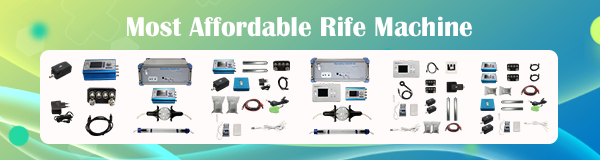
SPOOKY2 PORTABLE ESSENTIAL RIFE GENERATOR KIT